
Last updated November 22, 2026
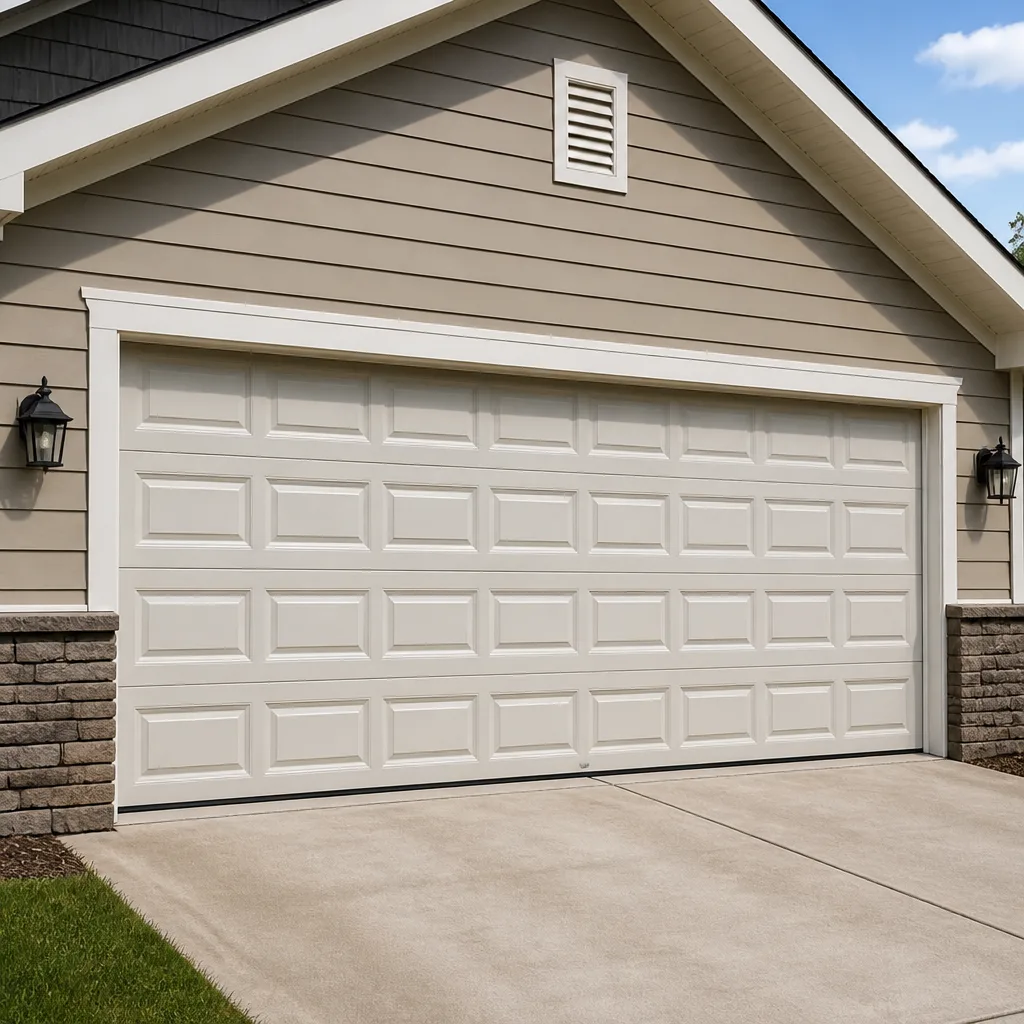 Raised-panel steel
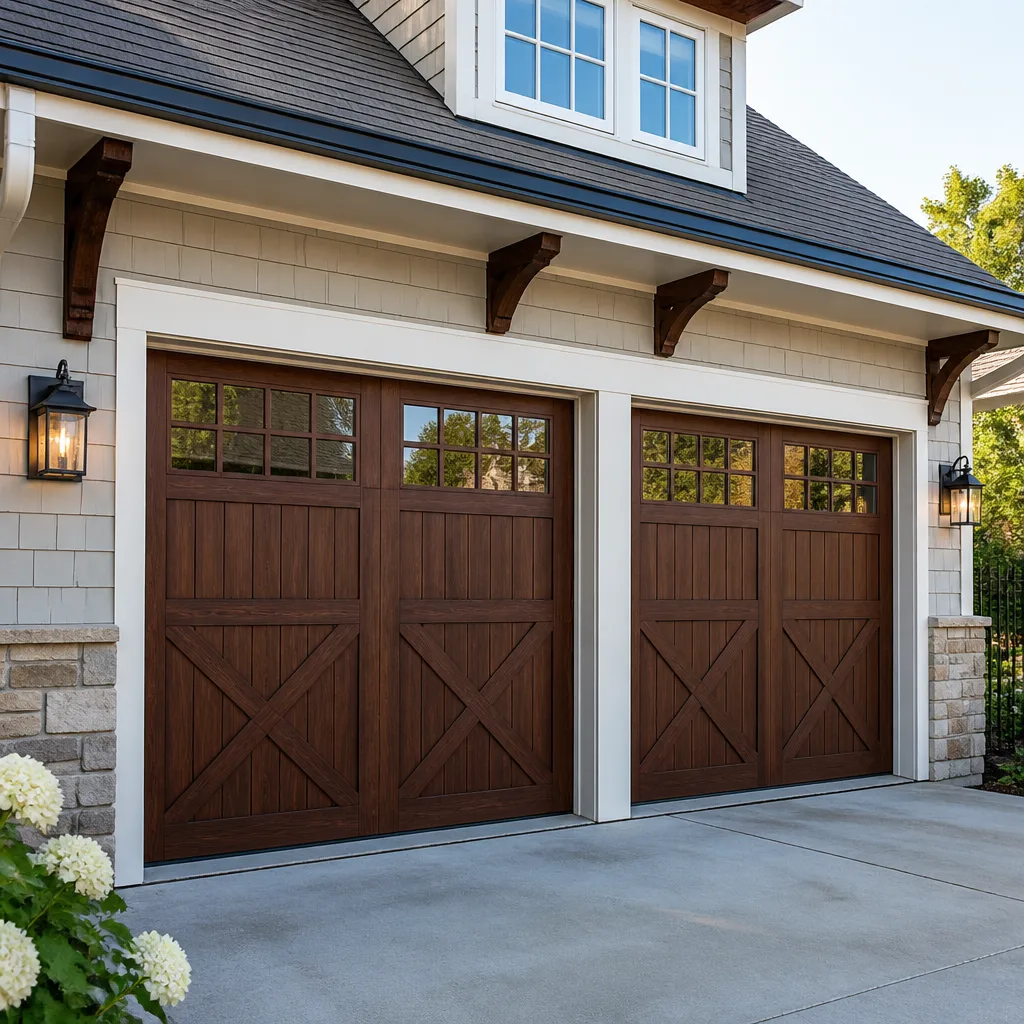 Carriage house
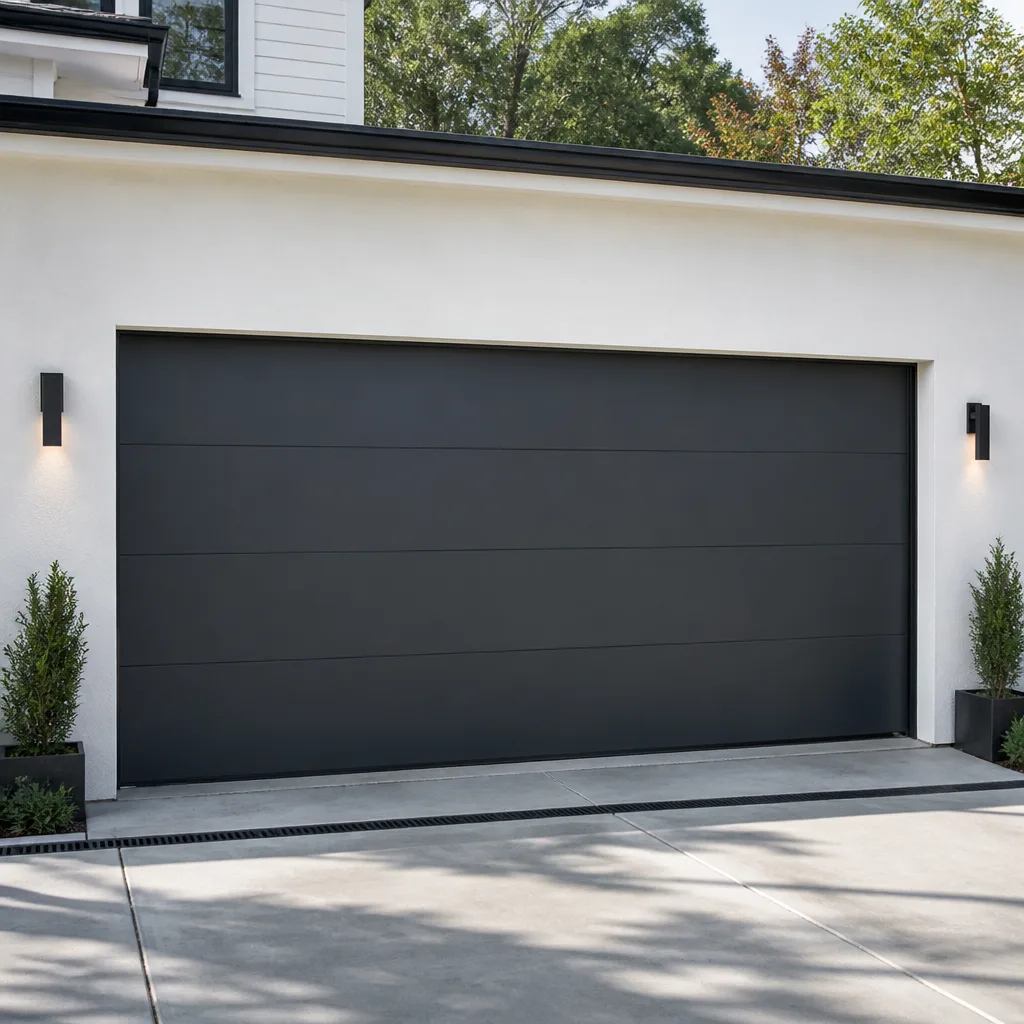 Modern flush
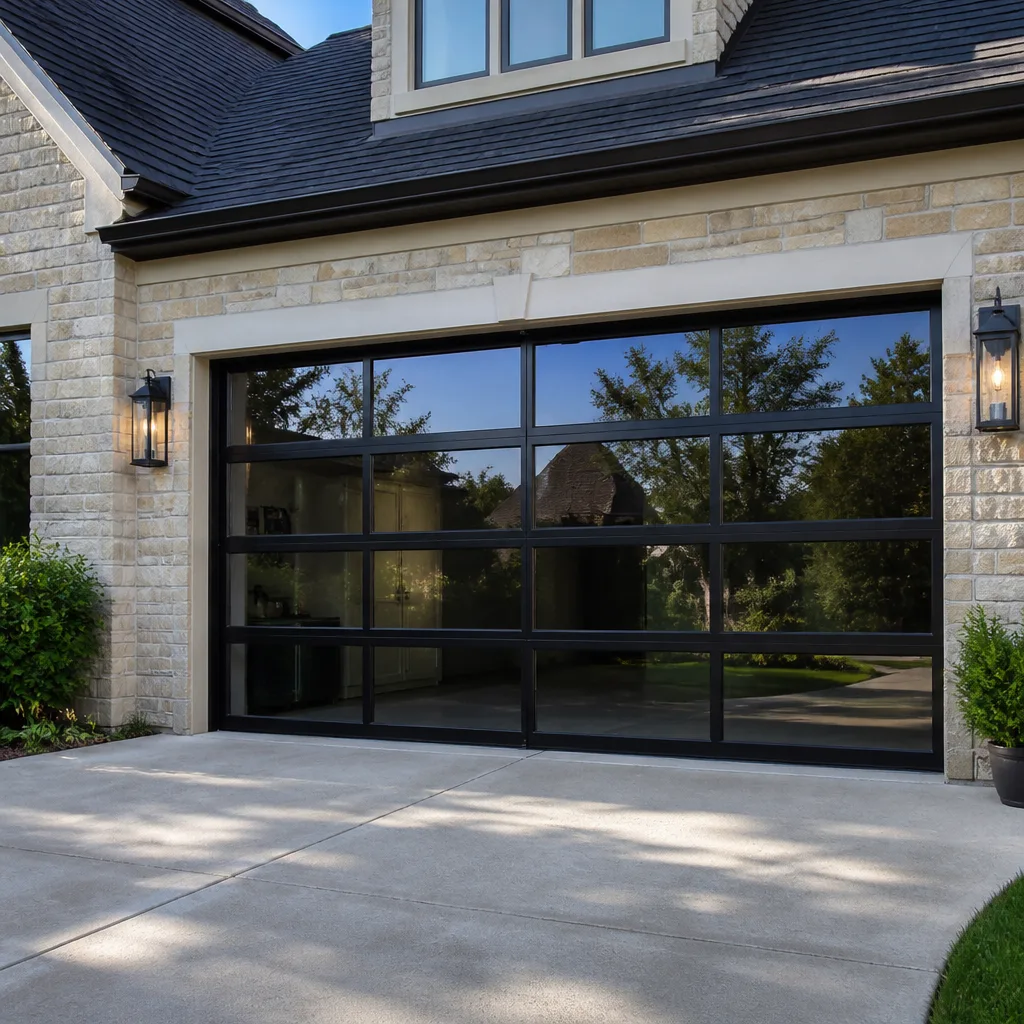 Full-view glass
 LiftMaster openers
 Chamberlain openers
Full 25-point door and opener safety check with every visit - springs, cables, rollers, tracks, and your LiftMaster or Chamberlain opener included
You get a price before we start. It does not change when the pro arrives.
Get your free estimateGarage Door Warning Signs: A Huber Heights Homeowner’s Reference Guide
A garage door that takes two seconds longer to open than it did last month isn’t just slow. It’s telling you that the springs, cables, or opener are under abnormal load, and that’s a failure building in real time. Most garage door breakdowns don’t come out of nowhere. They come after weeks of a sound nobody investigated, a gap nobody measured, or a remote that needed two presses instead of one. This guide is built around what you actually notice first – the noise, the speed, the gap, the button – and maps each symptom to what’s likely causing it. We’ll also show you which signs mean stop using the door today, which can wait a week, and how to photograph and note what you’re seeing so a Huber Heights technician can diagnose it faster.
Quick Answer
The warning signs that matter most are a door that moves slower or jerks, a loud bang or grinding sound, a visible gap between door sections or at the bottom, a door that reverses on its own, and a remote or wall button that needs repeated presses. A snapped spring, a fraying cable, or a door off its track is an immediate safety risk – stop using the door and call a professional. Slight noise or a small alignment drift can usually be scheduled within the week. If you’re in Huber Heights and unsure which category you’re in, the fastest way to find out is a call and a free estimate.
Styles & brands we work with
- Raised-panel steel
- Carriage house
- Modern flush
- Full-view glass
- LiftMaster openers
- Chamberlain openers
Table of Contents
- The Symptom-to-Cause Index: What You Notice First
- Sounds That Tell You Something Is Wrong
- Speed Changes and Jerky Movement
- Visual Gaps, Sagging, and Track Problems
- Remote and Opener Behavior
- Immediate Safety Risks vs. Schedule-Within-a-Week
- Opener-Side vs. Hardware-Side: How to Tell the Difference
- Warning Signs Specific to Older Huber Heights Homes
- What to Photograph and Note Before You Call
The Symptom-to-Cause Index: What You Notice First
Most garage door guides organize by component – springs, cables, rollers, tracks, opener. That’s how a technician thinks. It isn’t how a homeowner thinks. You don’t wake up and notice a torsion spring. You notice that the door sounds wrong, or that it’s moving funny, or that there’s light coming through where there shouldn’t be. So this guide starts with what you actually experience and works backward to the cause.
Here’s the index. Find the symptom you’re seeing and follow it to the section that explains it.
- You hear it: a loud bang, grinding, squealing, popping, or rattling. Go to Sounds That Tell You Something Is Wrong.
- You see it move differently: the door is slower, jerky, uneven, or stops partway. Go to Speed Changes and Jerky Movement.
- You see a gap or bend: daylight under the door, a visible gap between panels, a sagging top section, or a bent track. Go to Visual Gaps, Sagging, and Track Problems.
- The button doesn’t work right: the remote needs repeated presses, the door reverses on its own, or the opener light flashes. Go to Remote and Opener Behavior.
In our experience across Huber Heights, the single most common pattern is this: a homeowner notices a sound, assumes it’s “just the door being old,” and waits. Then a spring lets go and the door won’t lift at all. The warning was there. It just wasn’t recognized as one. This index is the recognition tool. Once you know what you’re looking at, the question becomes how urgent it is – and that’s the next decision, covered further down this page.
Sounds That Tell You Something Is Wrong
A garage door has a normal sound. It’s a low, steady hum from the opener and a soft roll from the rollers in the track. Anything outside that range is information. The type of sound tells you which part of the system is complaining, and that matters because a spring problem and a roller problem have very different urgency.
A loud bang, like a gunshot from inside the garage. This is the classic sound of a torsion spring breaking. It usually happens when the door is opening or closing, and afterward the door will feel extremely heavy or won’t move at all. This is an immediate safety stop.
A grinding or scraping noise as the door moves. The door is likely dragging on a bent track, or the rollers have worn flat spots. It can also mean the door has come slightly out of alignment. Keep using it and the track damage gets worse.
A squealing or high-pitched whine. Usually dry or worn rollers, or a torsion bar that needs lubrication. Annoying but rarely urgent – though a technician should look at it before the wear spreads.
A popping or creaking from overhead. Often a sign that a cable is slipping or fraying, or that the spring system is under uneven tension. Do not ignore this one.
A rattling that only happens when the opener runs. Usually the opener’s chain or belt, or loose mounting hardware. This is opener-side and is diagnosable from the unit itself.
If you hear a bang and the door stops working, that’s a spring, and springs are what we do. Don’t try to open the door manually – the door is holding tension you can’t see and shouldn’t test. Call for service and leave it shut.
Speed Changes and Jerky Movement
Speed is the warning sign homeowners notice last and should notice first. A garage door opening in Huber Heights today should open in about the same time it did last year. If it doesn’t, something in the system is carrying more load than it was designed for.
Here’s how to read the change:
- Watch the door from outside and time it. Open the door fully, then close it, and count the seconds for each. Compare that to what you remember from a few months ago. A door that’s gained a couple of seconds isn’t “getting old” – it’s fighting something.
- Watch for the jerk. A small shudder at the start is normal. A hard lurch mid-travel is not. That usually points to a spring losing tension or a roller binding in the track.
- Look at the top of the door as it closes. If the top panel dips to one side, the door is unbalanced. Unbalanced doors stress the opener, which then fails prematurely.
- Listen for the door to slow at a specific point. A slowdown in the same spot every time almost always means an obstruction in the track or a bent section of track, not an opener problem.
Why does this matter? Because an opener that’s been dragging an unbalanced door for months is a candidate for early failure too. Fixing the door first often saves the opener. If you’ve already got a moving problem and the opener is making noise on top of it, that’s exactly the situation where we recommend booking a proper garage door repair visit rather than guessing at the cause yourself.
Visual Gaps, Sagging, and Track Problems
Some of the most important warning signs don’t make a sound at all. You find them by looking. Do this check once a season – in Huber Heights that means before the cold sets in and again after the worst of it, since the freeze-thaw cycle is hardest on hardware.
- Daylight at the bottom corners. A small even gap is the weather seal doing its job badly. An uneven gap at one corner means the door is out of balance or the track has shifted.
- A gap between two panels. Sections should sit tight against each other. A visible split means a hinge or the panel itself has bent, usually from an impact – a car bumper, a bike, a ladder leaned too close.
- A sagging top section. Look up at the top panel when the door is closed. If the middle dips, the door has lost structural support, often a sign the torsion system isn’t lifting evenly.
- Bent or twisted tracks. Stand to the side (never in the door’s path) and sight down the track like a rifle barrel. Any visible bend will cause binding and will get worse.
- Frayed or kinked cables. The cables run along the side of the door. A cable with visible fraying or a kink is under load and can snap. This is a stop-using-the-door condition.
Eye the rollers too. Rollers should sit evenly in the track without play. Wobble at the roller means the track or the roller itself has worn, and the door is running crooked. None of these are things to fix by bending metal back into place. Track and cable geometry is set precisely, and forcing it back creates a door that fails again in a new spot.
Remote and Opener Behavior
The opener is the easiest part of the system to blame and sometimes the wrong part to blame. Still, opener and remote behavior tell you real things. Read the pattern before you read the cause.
- The remote needs repeated presses. Usually a battery, sometimes a remote that needs re-pairing, occasionally a receiver issue in the opener. Start with the battery – it’s the cheapest check you’ll ever run.
- The door reverses on its own while closing. This is usually the safety sensors. Check that the two small lights on each sensor are steady, not flickering, and that nothing (a broom, a bag of mulch, a spider web) is in the beam. If the sensors are clear and lit and the door still reverses, that’s a setting or board issue worth diagnosing.
- The opener light flashes a set number of times. On many LiftMaster and Chamberlain units, the flash pattern is a diagnostic code. Note how many flashes and whether they repeat – that’s genuinely useful information for the technician.
- The door opens partway and stops. Often a travel-limit setting, sometimes a sign the opener is straining against a door that’s gained weight. On a Craftsman or Raynor opener, the adjustment is usually on the unit itself, but if it keeps resetting, the door is the likely cause.
- The wall button works but the remote doesn’t. That narrows it to the remote or receiver, not the opener’s drive system.
That last point is the key to saving money. A symptom that shows up only on the remote is a very different repair than one that shows up on the wall button too. Note which one you used when the problem happened – it cuts the diagnosis in half. If you’re not sure, our garage door opener repair service covers the whole chain from remote to motor.
Immediate Safety Risks vs. Schedule-Within-a-Week
Not every warning sign is a same-day emergency, but some are, and the difference matters. Using a door with an immediate risk sign can turn a repair into a door replacement – or worse, an injury. Here’s the split, and we’d rather you err on the side of calling than guess wrong.
Stop using the door now – call for service.
- A broken spring (loud bang, door heavy or stuck).
- A frayed, kinked, or visibly damaged cable.
- The door is off its track or visibly crooked in the opening.
- The door won’t stay up and slams down.
- A panel is cracked or separating and the door flexes when it moves.
Schedule within the week – the door still works but is telling you something.
- Grinding or squealing that’s gotten louder.
- The door is slower than it used to be but still opens and closes.
- A small uneven gap at the bottom you can adjust with the weather seal.
- A remote that needs repeated presses.
- The opener light flashing a code.
The reason this split matters in Huber Heights is that spring and cable failures don’t announce a deadline. A frayed cable can hold for a week or fail on the next cycle. If you’re in the first group, leave the door alone and call. If it won’t open or close at all, that’s what our emergency service is for. And if it’s in the second group, book it before it moves into the first.
Opener-Side vs. Hardware-Side: How to Tell the Difference
Before you spend money, you want to know which side of the system the problem lives on: the opener (the motor and electronics on the ceiling) or the hardware (springs, cables, rollers, tracks, hinges, panels). This matters because the two need different technicians and different parts, and a homeowner who can tell them apart makes the diagnostic call much faster.
Try this simple three-step check. It’s safe, it requires no tools, and it narrows the problem considerably.
- Pull the emergency release handle. This disconnects the door from the opener. Only do this when the door is fully closed, and be ready to hold the door – if a spring is broken, the door will be heavy.
- Lift the door by hand halfway, then let go. A balanced door with working springs should stay roughly where you put it. If it drops, the hardware is the problem – springs or cables, not the opener. If it feels light and balanced, the hardware is probably fine.
- Reconnect the door and run the opener. If the door is balanced but the opener still struggles, runs jerky, or reverses for no reason, that’s opener-side. If the door is balanced and the opener runs smooth, the original symptom was likely a remote or sensor issue.
Result: heavy door means hardware. Balanced door with a struggling opener means opener. That single test separates the two diagnoses and tells you which service to ask for when you call. Our technicians have up to 14 years of experience reading this exactly – and because we work on LiftMaster, Chamberlain, Genie, and Craftsman openers as well as Clopay, Amarr, Wayne Dalton, and Raynor doors, we’re not guessing at the model in front of us.
Warning Signs Specific to Older Huber Heights Homes
Huber Heights has a lot of homes built across several decades, and the garage hardware in an older home fails differently than what’s in a newer build. If your home has its original garage hardware, read this section carefully – some of these signs are easy to mistake for normal wear.
Galvanized tracks. Older doors often ran on galvanized steel tracks that were thinner than modern ones. They don’t just bend – they develop a slight sag over time that’s invisible until the door starts binding. If your door runs on galvanized tracks and you notice a new grinding sound, look for a dip in the horizontal track section before you assume it’s the opener.
Legacy spring systems. Older homes may have extension springs on each side rather than a modern torsion system overhead. Extension springs fail by stretching over time and can fail violently – that’s exactly why modern installs moved to torsion. If your door has extension springs, a stretched spring, a loose safety cable, or a door that suddenly sits unevenly on one side is an immediate stop-and-call sign.
Original torsion bars. An older torsion bar can develop play at the end brackets. You’ll feel it as a wobble or hear a clank at the start of travel. That play stresses the spring and the bar itself, and the fix usually involves the bar as well as the spring.
Worn rollers. Steel rollers on an older door wear flat and start to skip in the track. They’re quiet for a long time and then suddenly noisy – a classic “the door changed overnight” moment that’s really been building for a year.
Weathered bottom seals. In Huber Heights, freeze-thaw cycles chew through bottom seals faster than in milder climates. A seal that’s cracked and letting water in under the door also lets cold air in, which raises your heating bill silently. It’s a cheap fix that’s easy to put off for years.
Aging hardware is not automatically a replacement candidate. Most of the signs above are repairs, and a proper garage door spring repair visit is often all that’s needed to get an older door running safely again.
What to Photograph and Note Before You Call
Here’s the part almost nobody does, and it makes the diagnostic call faster and more accurate. Before you pick up the phone, spend three minutes taking photos and jotting notes. You don’t need to know what you’re looking at – the technician will. You just need to capture what changed.
Take these photos:
- A wide shot of the whole door, closed, from outside. This shows alignment, sag, and gaps.
- A close-up of the bottom seal at both corners, with daylight visible under the door if there is any.
- A shot down the length of each track from the side – pick the angle that shows any bend.
- A close-up of the spring system overhead, including the torsion bar and end brackets (or the extension springs if you have them).
- A photo of the opener unit with the brand label visible – LiftMaster, Chamberlain, Genie, Craftman, whatever it says.
- A photo of the door’s brand or model sticker if you can find one.
Write these notes:
- When did you first notice the symptom, and has it gotten worse?
- Does it happen on opening, closing, or both?
- Does it happen every cycle or only sometimes?
- Did the wall button and the remote both fail, or only one?
- If the opener light flashed, how many times?
- What brand is the opener, and is the door a known brand (Clopay, Amarr, Wayne Dalton, Raynor)?
Send those photos and notes when you call, and the technician arrives knowing which parts to bring and which systems to test. It’s the difference between a visit that solves the problem the first time and one that turns into a follow-up.
Common Mistakes to Avoid
- Assuming slow means old, not broken. A door that’s slower than it used to be is under abnormal load, not just aging. Treat a speed change as a symptom and you’ll catch the failure before it happens.
- Trying to lift a door with a broken spring. The door weighs more than it looks and the spring is what does the lifting. Springs and cables hold tension you can’t see, and this is the single most common way homeowners get hurt. Leave the door closed and call.
- Bending a bent track back into place. Track geometry is precise, and straightening it by eye usually creates a binding point somewhere else. It’s a technician job every time.
- Replacing an opener when the door is the problem. If the door is heavy or jerky, a new opener will strain against the same load and fail early. Balance the door first.
- Ignoring a frayed cable because the door still works. A damaged cable is holding tension right now. It can fail on the next cycle. That’s a stop and call.
- Putting off the weather seal in Huber Heights. A cracked bottom seal lets in water and cold air, and in a freeze-thaw climate that shortens the life of everything under the door.
- Calling without photos and notes. The right diagnostic starts with the right information. Three minutes of photos and a few notes saves a return visit.
See the difference
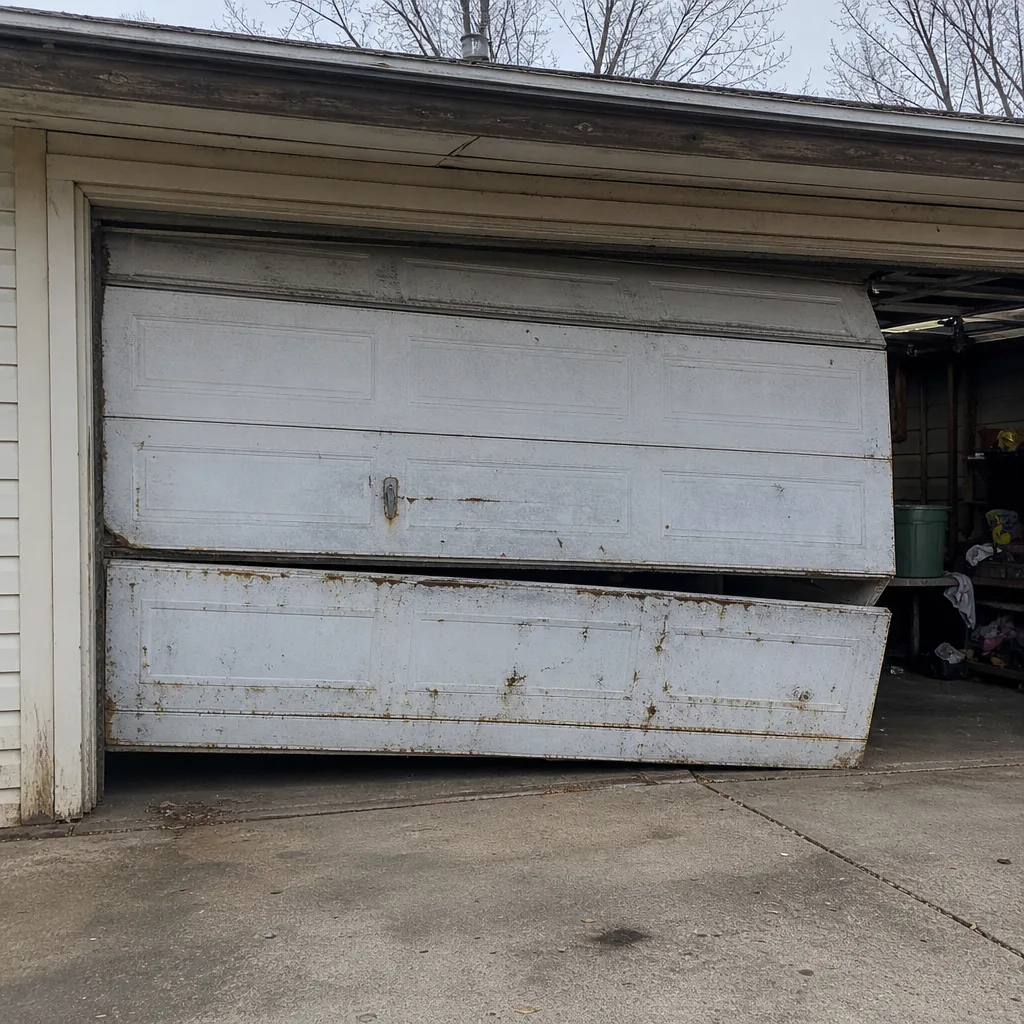 Before
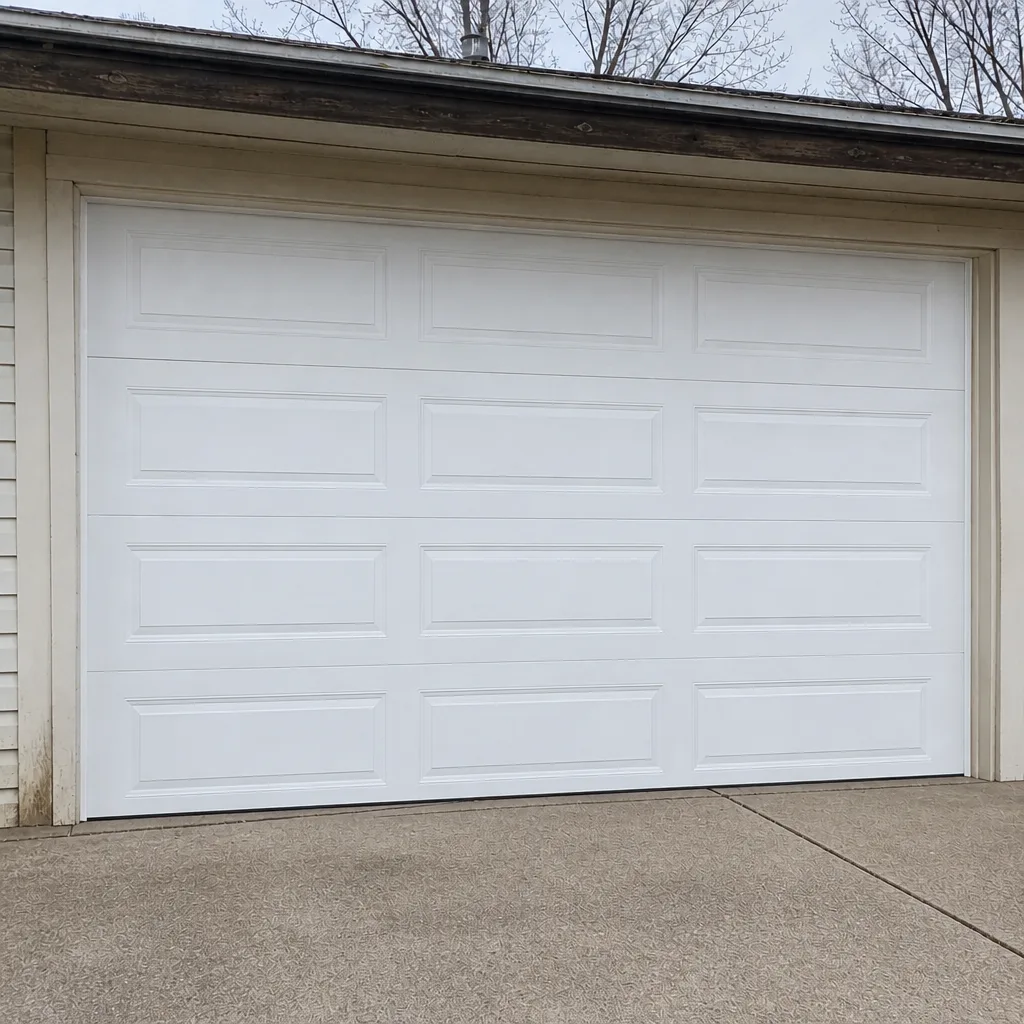 After
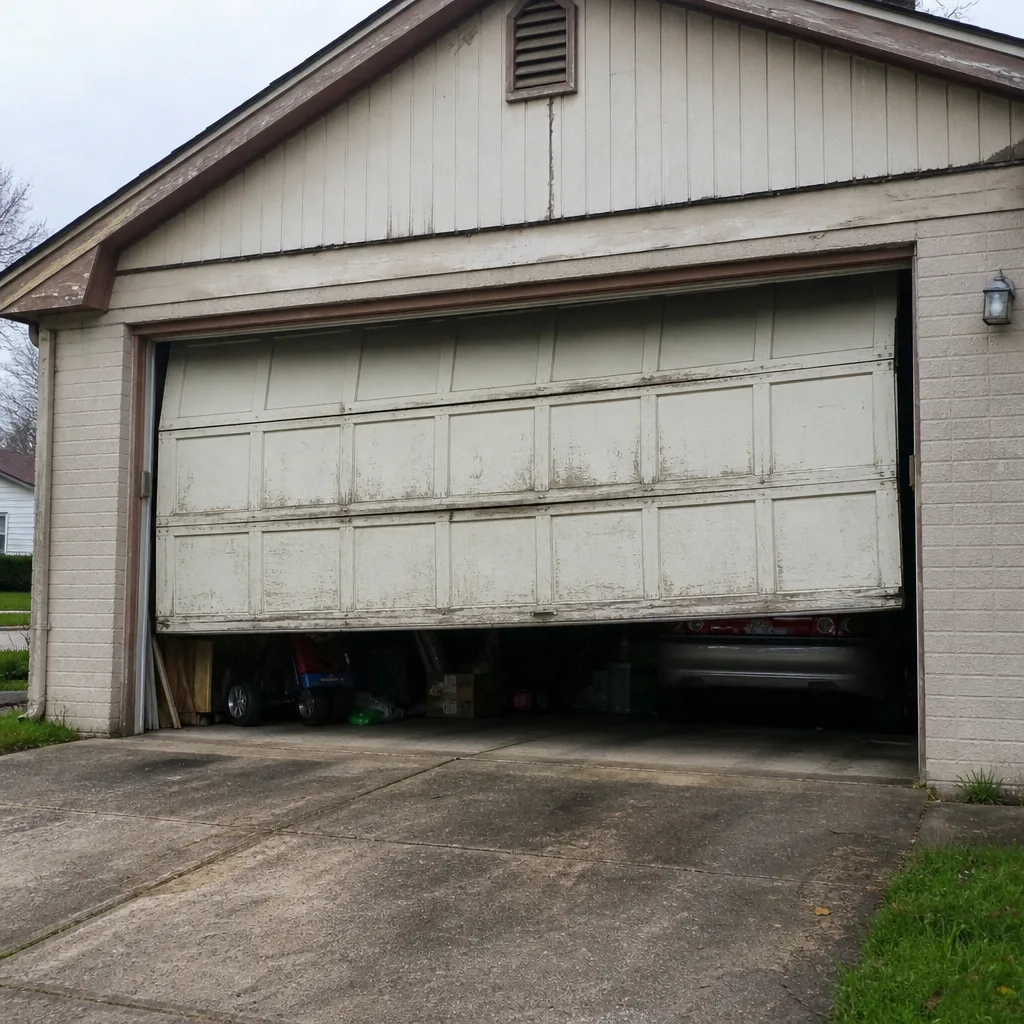 Before
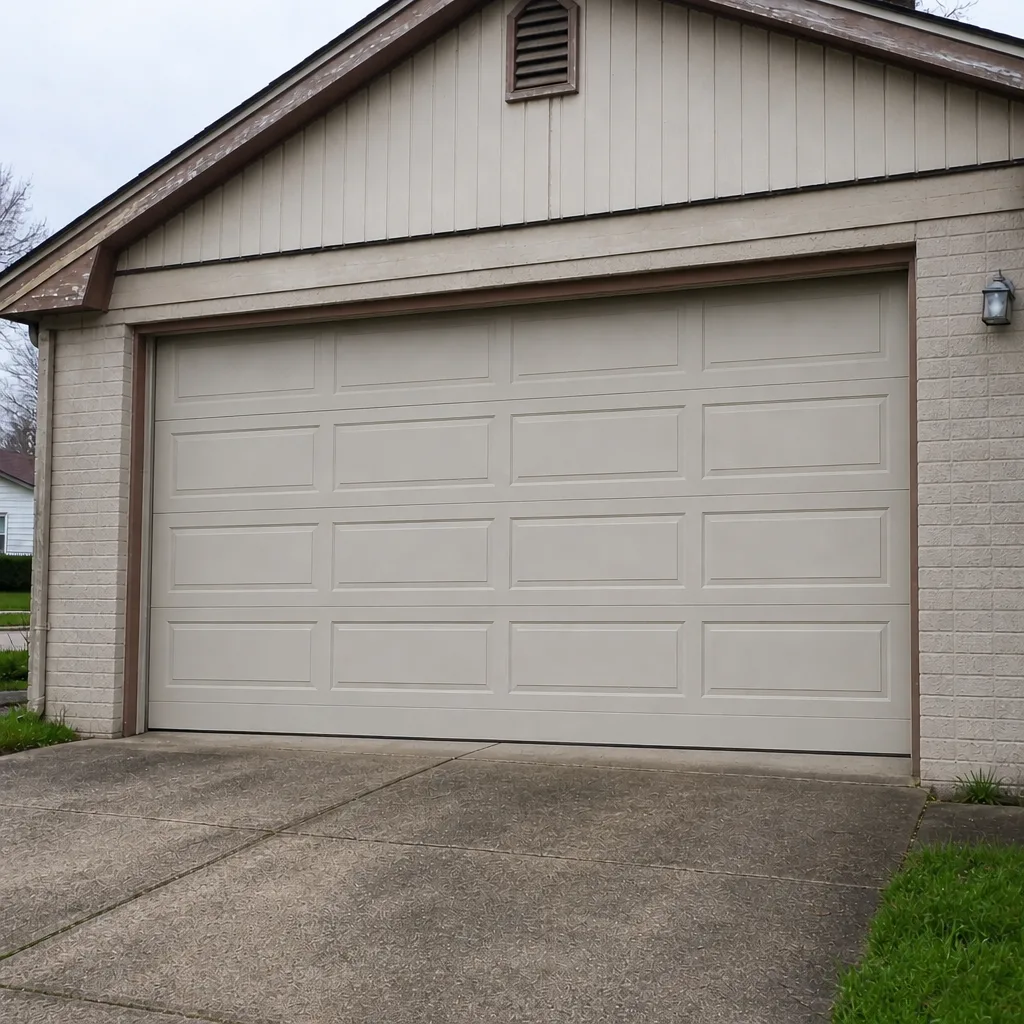 After
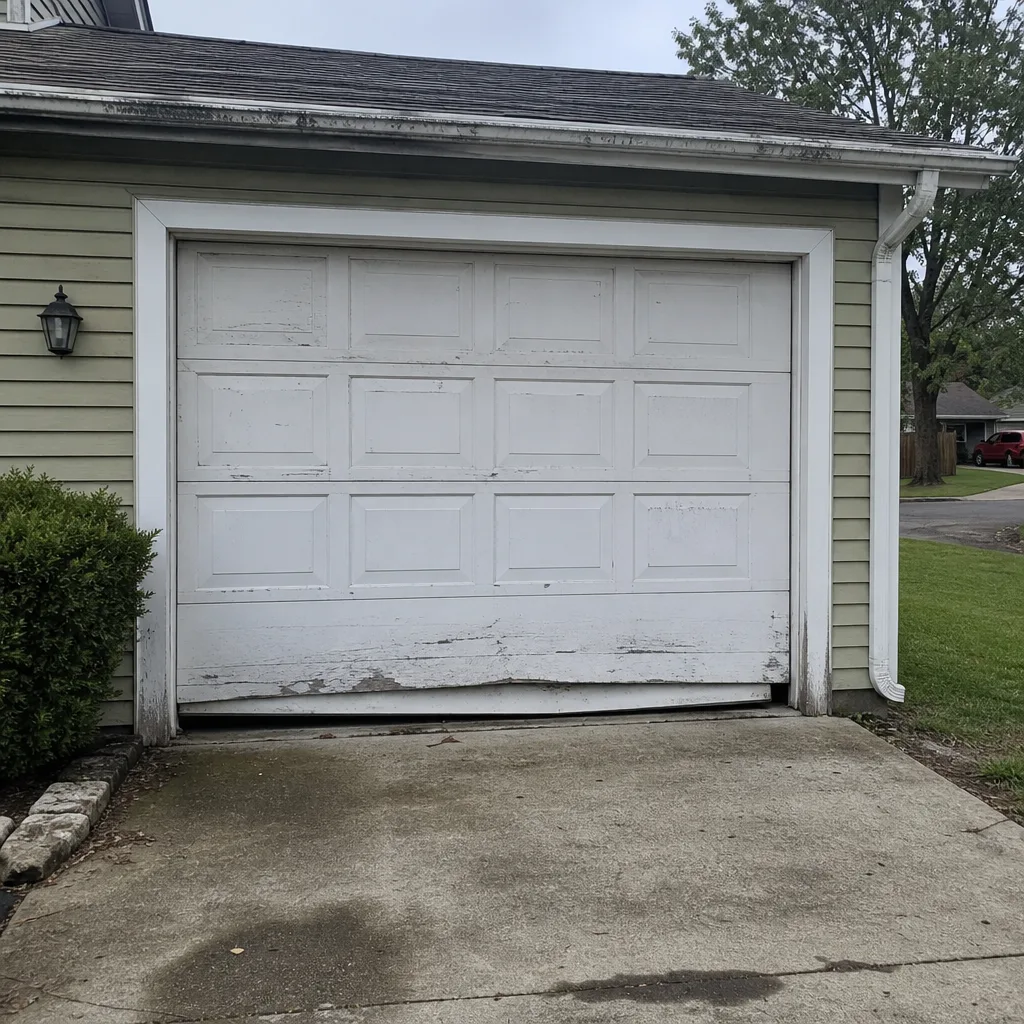 Before
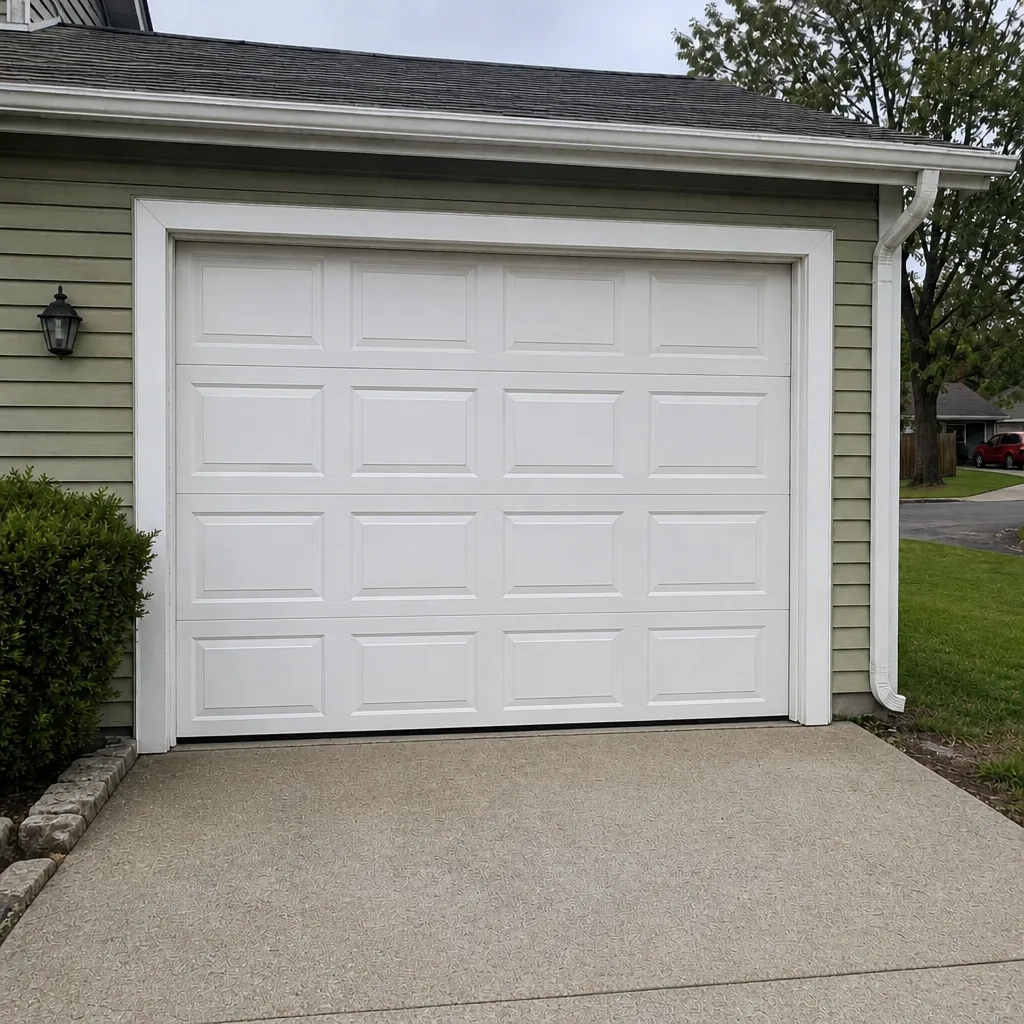 After
When to Call a Professional
Call a professional the moment you notice any symptom in the “stop using the door” group: a broken spring, a frayed or kinked cable, a door off its track, or a door that won’t stay up. Also call if you’ve done the emergency-release balance test and the door is heavy – that’s hardware, and hardware is not a homeowner fix. For the second group – grinding, slowing, a remote needing repeated presses – book a visit within the week so a small repair doesn’t turn into a bigger one. Garage Door Repair Huber Heights offers free estimates in Huber Heights. Call (877) 492-2032. We answer 24/7. Fast dispatch from 7am to 7pm, Sunday through Friday. Whether it needs to open right now or you want a technician to look at what changed, we’ll get you a written price before any work begins.
Frequently Asked Questions
A change in speed or sound is usually the first sign – the door takes longer than it used to, or starts making a noise it didn’t make before. In our experience it’s almost always a spring or roller losing efficiency, and it’s the cheapest stage to catch it. Call (877) 492-2032 for an exact quote – estimates are free.
A broken spring is always an emergency in the sense that you should stop using the door immediately, because the door is holding weight it can’t lift on its own. If the door is stuck shut or a car is trapped, call (877) 492-2032 and we’ll book a visit – we answer 24/7, with fast dispatch from 7am to 7pm, Sunday through Friday.
Yes, with caution. An intermittent remote is usually a battery or pairing issue, not a structural failure, so the door itself is typically safe. If the door also moves unevenly or slowly, that’s a different problem and worth a service call – estimates are free.
Run the emergency-release balance test: disconnect the door at the fully closed position, lift it halfway by hand, and let go. If it drops, the hardware is the problem. If it stays balanced, the opener is. Call (877) 492-2032 for an exact quote – estimates are free.
Older homes often have galvanized tracks, extension springs, or worn steel rollers that fail differently than modern hardware. A new noise usually means a track has sagged, a roller has worn flat, or a spring is losing tension. A technician can tell you which in one visit, and the written estimate sets the price before any work starts.
No – the price you agree to before work starts is the price. We provide a written estimate first, and the final cost is set per job by that estimate. If the diagnosis changes once we’re on site, we’ll explain the new scope and get your agreement before proceeding. Call (877) 492-2032 for an exact quote – estimates are free.
The Bottom Line
Garage doors rarely fail without warning. The signs are there – a slower cycle, a new sound, a small gap, a flickering opener light – and most breakdowns happen because those signs weren’t recognized as urgent. Use the symptom index at the top of this page to find what you’re seeing, use the urgent vs. schedule split to decide how fast you need to act, and run the emergency-release balance test to learn whether the problem is in the opener or the hardware. Photograph what you see and note what changed. Then call a specialist who works on the brand in your garage, not a generalist guessing at it. If you’re in Huber Heights and the door is telling you something, call (877) 492-2032 for a free estimate.
Written by the team at Garage Door Repair Huber Heights.