
Last updated November 22, 2026
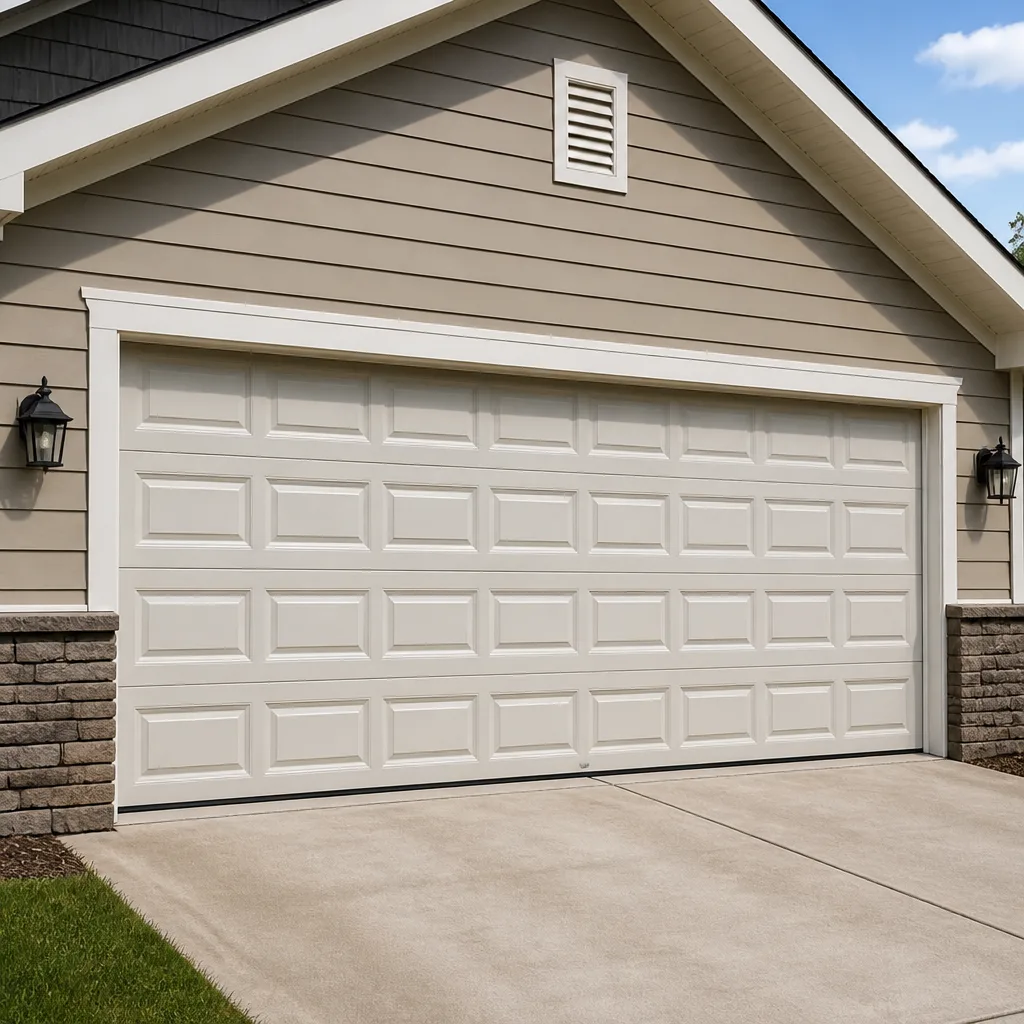 Raised-panel steel
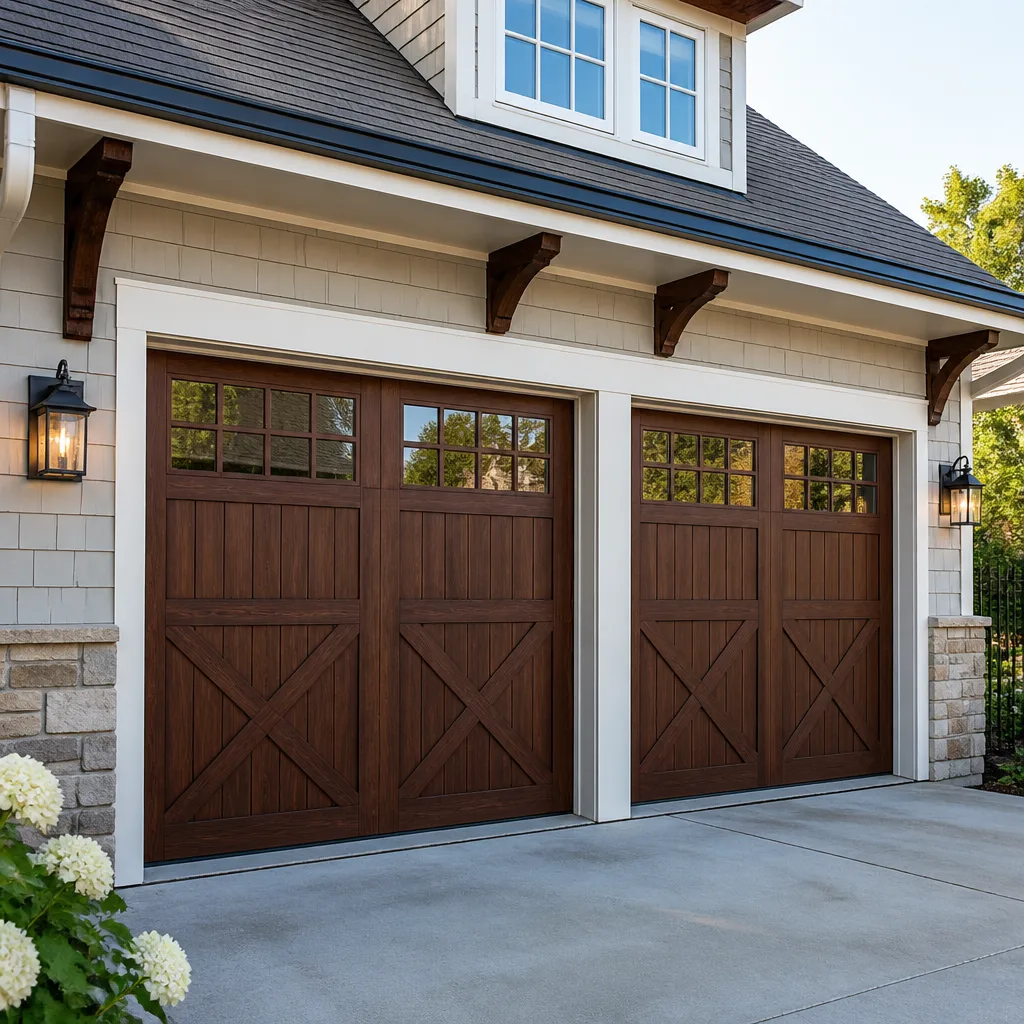 Carriage house
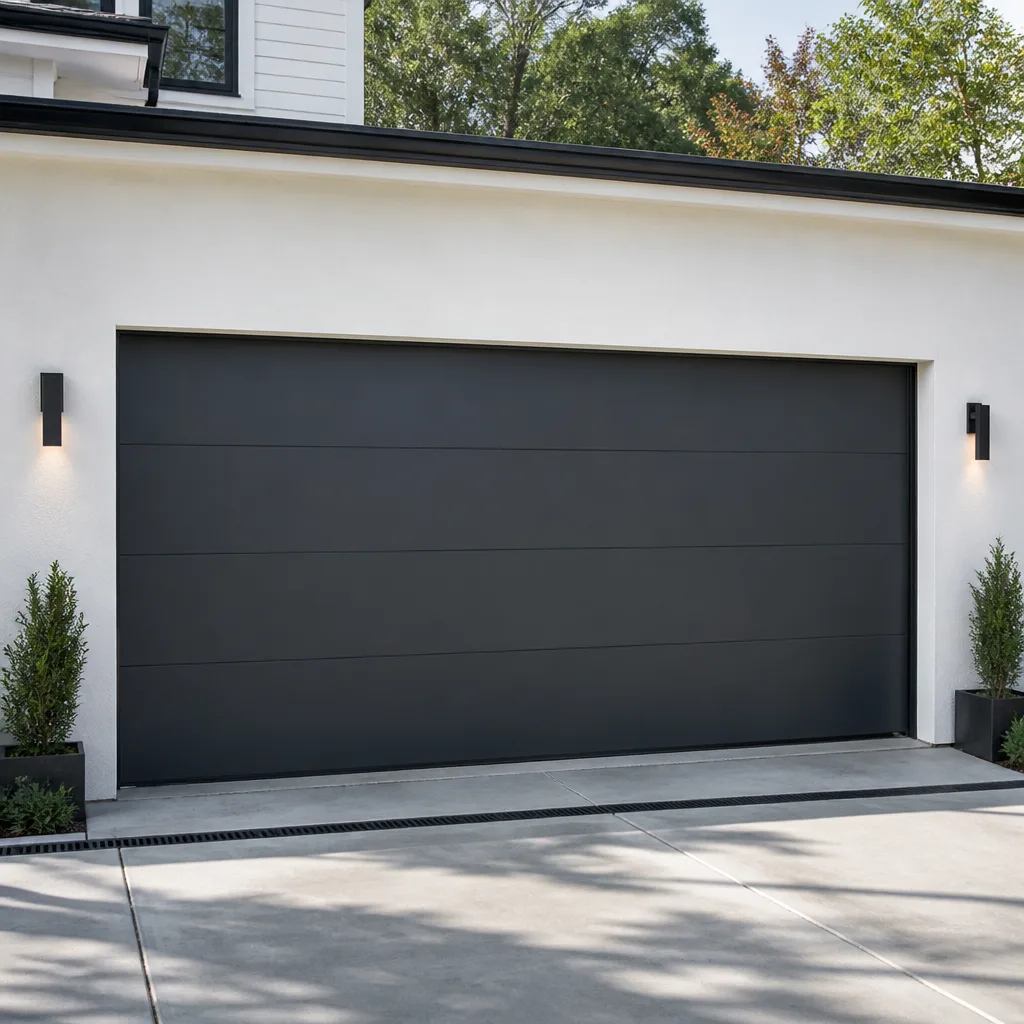 Modern flush
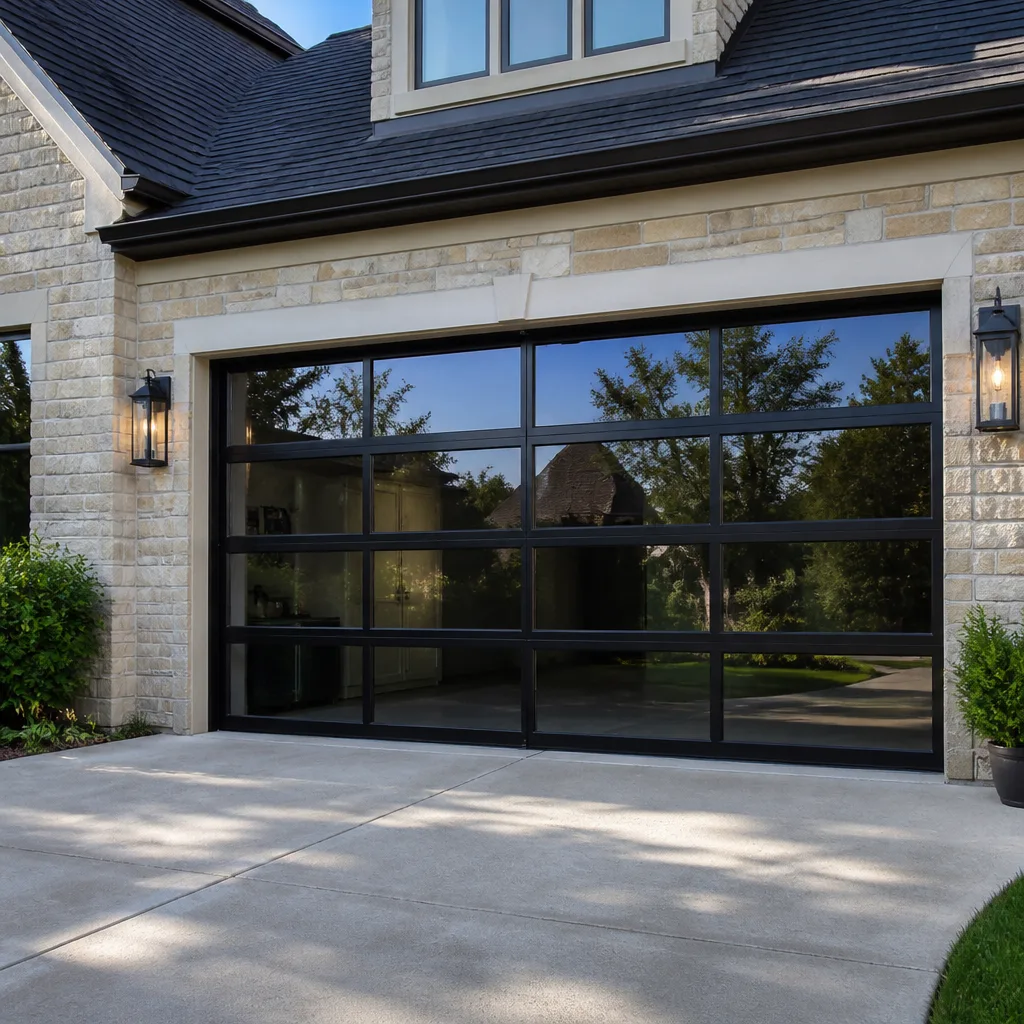 Full-view glass
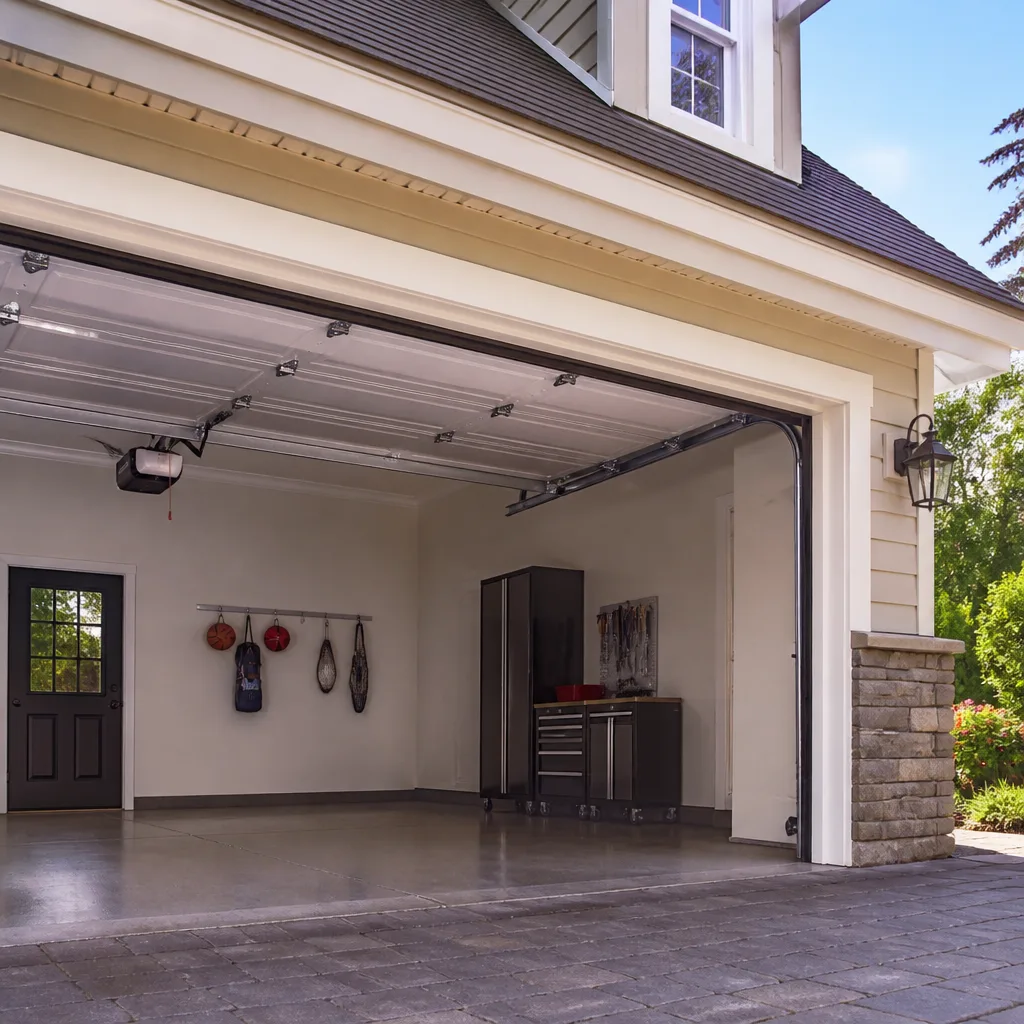 LiftMaster openers
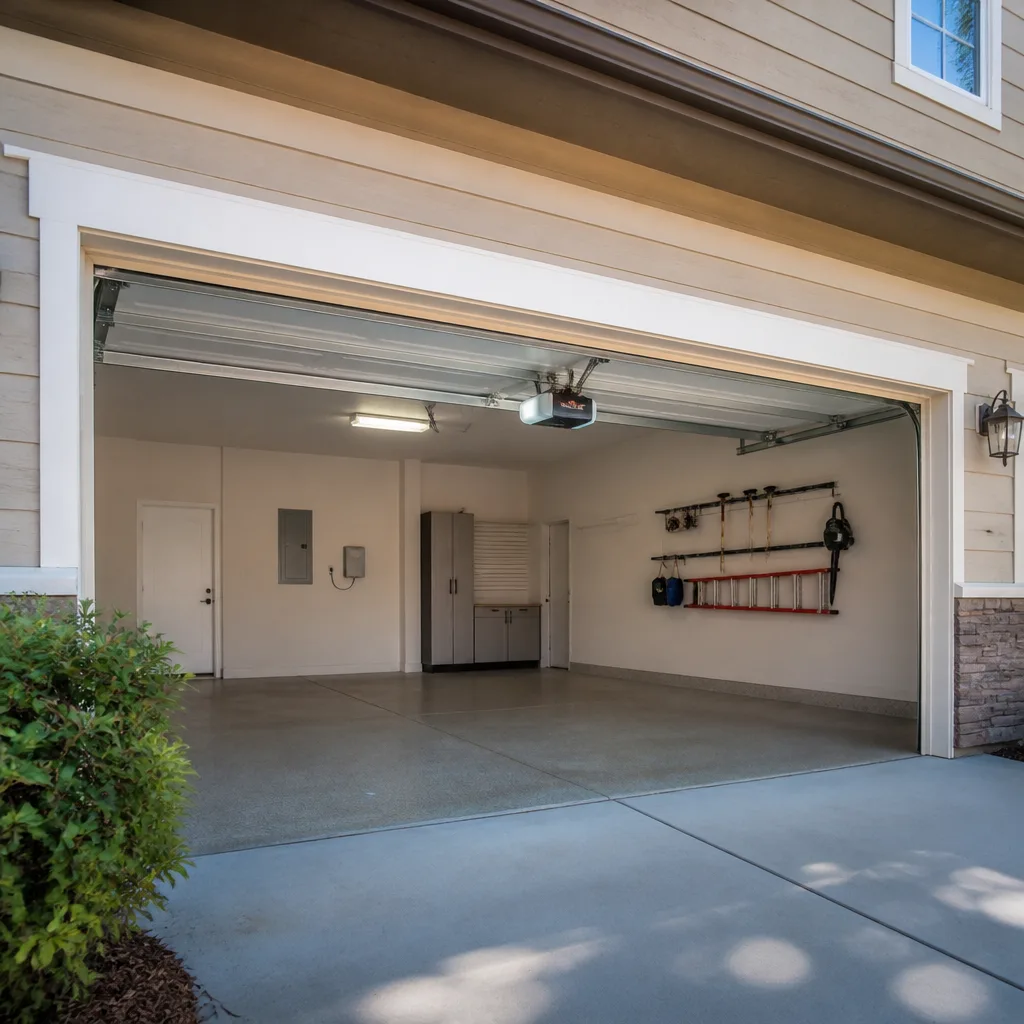 Chamberlain openers
Full 25-point door and opener safety check with every visit - springs, cables, rollers, tracks, and your LiftMaster or Chamberlain opener included
You get a price before we start. It does not change when the pro arrives.
Get your free estimateSeasonal Garage Door Care for Huber Heights: Year-Round Homeowner’s Guide
The garage door failure that wakes people up in January almost never starts in January. It starts on a mild October afternoon when a bottom seal starts curling, or on a humid August day when a wooden panel swells just enough to bind against the jamb. By the time the first hard freeze rolls through the Miami Valley, that small problem has had months to work itself into a snapped spring or a door that won’t budge. Huber Heights sits right in the middle of Ohio’s freeze-thaw belt, where summers run humid and winters swing between thaw and deep cold, and garage doors here take a specific beating because of it. This guide walks through the maintenance calendar that actually matches that climate, month by month, so you can catch the small stuff before it becomes a Sunday morning emergency.
Quick Answer
In Huber Heights, the single most important garage door maintenance window is fall, before the first freeze, when you should lubricate moving parts, check and replace worn bottom seals, and have a technician inspect spring tension and track alignment. After that, a light check after the spring thaw and again after the humid summer covers the other two high-risk transitions. Year-round care here means matching tasks to Ohio’s real seasonal swings rather than a generic four-season checklist.
Styles & brands we work with
- Raised-panel steel
- Carriage house
- Modern flush
- Full-view glass
- LiftMaster openers
- Chamberlain openers
Table of Contents
- Why Huber Heights Climate Is Hard on Garage Doors
- Month-by-Month Garage Door Calendar for Huber Heights
- Why Fall Is the Most Critical Maintenance Window
- What Summer Humidity Does to Doors, Seals, and Sensors
- The Spring Thaw Checklist
- Products and Practices to Avoid in Cold Weather
- The Winter Failures We See Most in Huber Heights
- When to Call a Professional
Why Huber Heights Climate Is Hard on Garage Doors
Huber Heights sits in a part of Ohio where the weather does not ease a garage door in gently. Summers bring stretches of high humidity that swell wood panels, soften weather seals, and fog up the optics on opener safety sensors. Winters swing hard: a week of single-digit cold, then a forty-degree thaw, then back into the freezer. That freeze-thaw cycle is the part that does the quiet damage. Water works into a hairline crack in a bottom seal, freezes, expands, and opens the crack wider. It seeps behind a track bracket, freezes, and nudges the bracket out of plumb. It finds a weak spot in a spring’s temper over one winter and finishes the job the next.
None of this is dramatic in the moment. That is exactly the problem. A door can run for months with a bottom seal that has lost its flexibility or a track that is a quarter inch out of alignment, and you would never notice until something finally binds. Huber Heights homes tend to sit on slabs with attached garages, which means the garage shares a wall with the house and the door is doing real work every single day, not sitting idle like a detached shed door.
There’s also a framing reality here. A lot of the housing stock in Huber Heights uses wood-frame garage openings, and wood moves with moisture. In a wet summer it swells; in a dry cold snap it shrinks. That movement is small, but a garage door is a precision system riding on rollers in a steel track. Small movement adds up.
Month-by-Month Garage Door Calendar for Huber Heights
Generic maintenance guides split the year into four seasons. Ohio weather doesn’t cooperate with that. The transitions matter more than the seasons themselves, so this calendar is built around when Huber Heights actually changes from one pattern to another.
- March: The thaw begins. Walk the door through a full open-and-close cycle and watch for binding, uneven travel, or a bottom seal that has cracked over the winter. Listen for grinding or popping.
- April: Full inspection time. Check track alignment, roller condition, hinge tightness, and spring balance. This is when freeze-thaw damage from winter shows up clearly.
- May: The rainy stretch. Wipe down and inspect weather seals and wooden door surfaces for water intrusion or soft spots. Check the opener’s safety sensors for debris and alignment.
- June through August: The humidity stretch. Wooden doors need a look for swelling and finish wear. Seals soften and can pull loose. Sensors fog up or collect condensation.
- September: The pre-freeze window opens. This is the crucial month for lubrication, seal replacement, and a technician spring and track inspection.
- October: Finish fall prep. Clear the tracks of leaves and grit, confirm the door closes flush without gaps, and test the opener’s auto-reverse.
- November: First hard freeze territory. Confirm nothing is binding, because cold stiffens everything and small problems feel much bigger.
- December through February: Monitor. Keep tracks clear of ice and grit, and don’t force a door that seems stuck. Call if anything sounds or feels wrong.
For a more detailed inspection walkthrough, our garage door repair guide covers what a technician checks and why. The calendar above is what you can reasonably do yourself at each transition; the deeper spring and track checks belong with a trained eye.
Why Fall Is the Most Critical Maintenance Window
If you only do one round of garage door maintenance in Huber Heights all year, make it the fall round. The reason is simple: cold is an amplifier. A spring that was already carrying a fatigue crack in September is still hanging on when the temperatures are mild. By January, after a dozen freeze-thaw cycles and weeks of cold that hardens metal and stiffens seals, that same spring has lost its margin. The failure isn’t caused by winter. It just shows up in winter.
Fall is when you still have the time and mild weather to catch the problems before they turn into emergencies. Here’s what to address before the first hard freeze:
- Lubricate moving parts. Rollers, hinges, and the torsion or extension spring assembly get a proper cold-rated lubricant in fall, not a light household oil that thickens at the first cold snap. Ask a technician which lubricant they use.
- Inspect and replace the bottom seal. The bottom seal takes the most abuse from ice and grit, and it’s the piece that keeps cold air and moisture out of the garage. If it’s cracked, brittle, or torn, replace it before it freezes into a shape that no longer seals.
- Check track alignment and bracket tightness. A bracket that has loosened over a wet summer is fine in mild weather and a misalignment problem in cold weather. A technician can look at this quickly without dismantling anything.
- Have the springs inspected. This is the piece most homeowners should never touch themselves, because torsion springs are under extreme tension even when the door is down. A trained technician can spot fatigue and set you up with a replacement before a cold-weather snap forces the issue. Springs are what we do, and it’s the reason we list it as a dedicated service.
- Test the opener’s safety reverse and force settings. Cold can make a door harder to move, and an opener with a poorly set force limit may strain or stop. Confirm it reverses on a test object and that the sensors are clean and aligned.
- Check the door’s weatherstripping around the frame. Side and top seals that have pulled loose should be reattached before cold air gets behind them.
All of this is a job for a specific day in September or October, and it’s the best insurance against the winter failures we see most often in Huber Heights.
What Summer Humidity Does to Doors, Seals, and Sensors
Huber Heights summers are humid, and humid air is not a cosmetic issue for a garage door. It’s a slow, persistent influence on three things: wood, seals, and electronics.
Wooden doors
Wood absorbs moisture and swells. A wood panel that swells in July can bind against the jamb enough that the opener strains or the door travels unevenly. Paint and stain are the barriers, and once those start to fail, water gets in. Check the lower panels and the bottom edge after a wet summer; if the finish is chalky or cracking, plan to refinish before fall.
Weather seals
Rubber and vinyl seals soften in heat and humidity, and a soft seal can pull away from its retainer or deform so it no longer meets the floor cleanly. Look for a seal that looks saggy or has started to separate from the bottom edge of the door.
Opener safety sensors
Humidity fogs up the lenses on the opener’s safety sensors, which are mounted low near the floor and are the first thing to pick up condensation. A fogged or dirty sensor will make the door reverse unexpectedly, which is safer than the alternative but very convenient to blame on the opener when the real issue is a sensor that needs a wipe. Watch for a door that refuses to close on a humid morning; nine times out of ten it’s the sensors, not the motor. If you decide the opener genuinely needs attention, our garage door opener repair page goes into how that diagnosis works with brands like LiftMaster, Chamberlain, and Genie.
The Spring Thaw Checklist
Spring is the second high-risk transition, and it’s the point where the damage from winter becomes visible. Freeze-thaw cycles specific to Ohio do specific things to specific parts. Here’s what to check each spring in Huber Heights.
- Track alignment. Water seeping behind track brackets over winter can freeze and push them out of plumb. The door should hang level, with equal gap on both sides. If one side of the door is higher than the other, that’s a track issue and it’s worth a professional look.
- Bottom seal condition. Winter ice and grit chew the bottom seal. Check for cracks, chunks missing, and a seal that no longer touches the floor cleanly when the door is shut.
- Spring tension. The freeze-thaw cycle doesn’t touch springs directly, but the stress of hundreds of cold cycles does. A spring that is losing tension makes the door feel heavy when you lift it manually (only with the opener disengaged, and only if you’re comfortable), and the opener works harder to lift it. If the door feels heavy in either direction, stop and call a technician.
- Rollers and hinges. Cold-stiffened grease and grit shorten roller life. Look for flat spots, cracks in nylon rollers, and loose hinges.
- Full open-and-close cycle. Run the door and listen. A well-maintained door is quiet and even. If anything grinds, pops, or travels unevenly, note it and get it inspected.
- Cables. Cables are under tension and should never be touched for adjustment. A trained technician can inspect for fraying or slack.
Products and Practices to Avoid in Cold Weather
A lot of garage door advice is written for mild climates. Ohio’s cold is not mild, and several common products and habits actually cause problems in Huber Heights winters.
- Light household oil on moving parts. Standard spray lubricants thin out in hot weather and thicken in cold, and thick oil in a cold hinge makes the door harder to move. Use a cold-rated, garage-door-specific lubricant, or ask a technician what they recommend.
- WD-40 or general-purpose solvents on springs. These do more harm than good on a torsion spring assembly. Springs and cables are not DIY territory; they are under extreme tension even when the door is down.
- Cheap or wrong-spec bottom seals. A vinyl or rubber seal that isn’t rated for cold weather becomes brittle in a Huber Heights winter and cracks on the first freeze. Replace with a cold-rated seal, and if you’re unsure of the spec, have it replaced by a technician.
- Painting or refinishing a door in cold temperatures. Paint and stain need mild weather to cure. A coat applied in late fall may not cure fully before the first freeze, which shortens its life instead of lengthening it. Do refinishing in late spring or early fall.
- Forcing a stuck door. If the door seems stuck, resist the urge to force it with the manual release or by pulling. Forcing a door can bend tracks, break hinges, or cause the door to drop. This is a call-a-technician situation.
- Adjusting springs or cables yourself. Springs are under extreme tension, and a DIY adjustment is a serious injury risk. Leave this to a trained technician, always. The same goes for cables and the opener’s force settings if you’re not sure what you’re changing.
- Assuming the opener is the problem. Cold weather brings out door problems that show up as opener problems. Before calling about a slow or stuck opener, suspect the door’s balance first.
This is also why brand familiarity matters. A technician who knows the brand already in your garage, whether it’s a Clopay or Amarr door or a LiftMaster or Craftsman opener, knows the specific failure points that brand is known for in cold weather and gets to the right fix faster. Our technicians have up to 14 years of experience across those brands, and we work on LiftMaster, Chamberlain, Genie, Clopay, Amarr, Wayne Dalton, Craftsman, and Raynor systems.
The Winter Failures We See Most in Huber Heights
When the first hard freeze hits Huber Heights, the same handful of failures show up. None of them is a surprise if you know the pattern.
The most common call is a door that won’t close because the opener’s safety sensors are fogged or covered in frost, or because the bottom seal has frozen into a shape that triggers the auto-reverse. The second most common is a snapped or stretched spring on a door that had been showing strain all fall. Third is a track knocked out of alignment by ice or a stressed bracket. Fourth is an opener that strains or trips its force limit because the cold door is harder to lift.
Each of these has a winter trigger but an earlier cause. A sensor that fogs in January is a sensor that wasn’t sealed well in October. A spring that snaps on the first cold morning is a spring that was already fatigued. A door that reverses is a seal that was already brittle. When it has to open, and the door is resisting, the right response isn’t to force it. It’s to call and get a trained technician on it.
If the door is going to fail, it usually won’t wait for a convenient time. That’s why we list spring service as its own dedicated offering rather than treating it as part of a general repair, and why our technicians are familiar with the exact systems installed in Huber Heights homes. For anything spring-related, our garage door spring repair page covers what the repair involves.
Common Mistakes to Avoid
- Waiting until the first freeze to do fall maintenance. By the time the cold arrives, the mild weather window for lubrication, seal replacement, and a spring inspection has closed. Do the fall walkthrough in September or early October.
- Replacing just one spring on a two-spring door. Matched springs wear together. If one is fatigued, the other is likely close behind. A technician should look at both.
- Using household oil or WD-40 instead of a garage-door lubricant. These products don’t do the job in cold weather and can attract grit.
- Forcing a frozen door. This can bend the track or break a hinge and turn a small fix into a much bigger one.
- Assuming a sensor problem is an opener problem. In humid Huber Heights summers, fogged sensors are the cause of a surprising number of “opener failures.”
- Skipping the spring thaw inspection. Winter damage is easiest to catch early in spring, when it’s still a minor fix.
- Trying to adjust springs or cables yourself. These parts are under extreme tension and can cause serious injury. This is the one maintenance task a homeowner should never take on.
See the difference
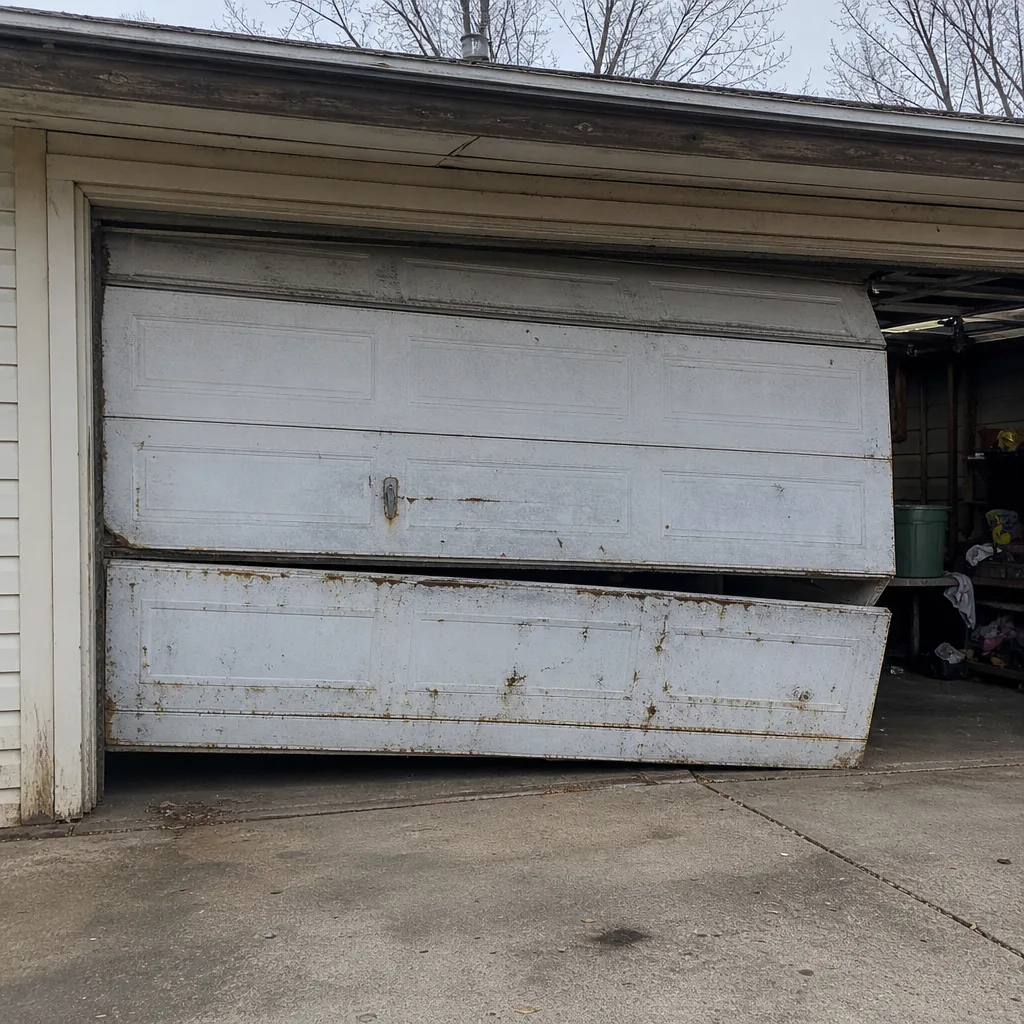 Before
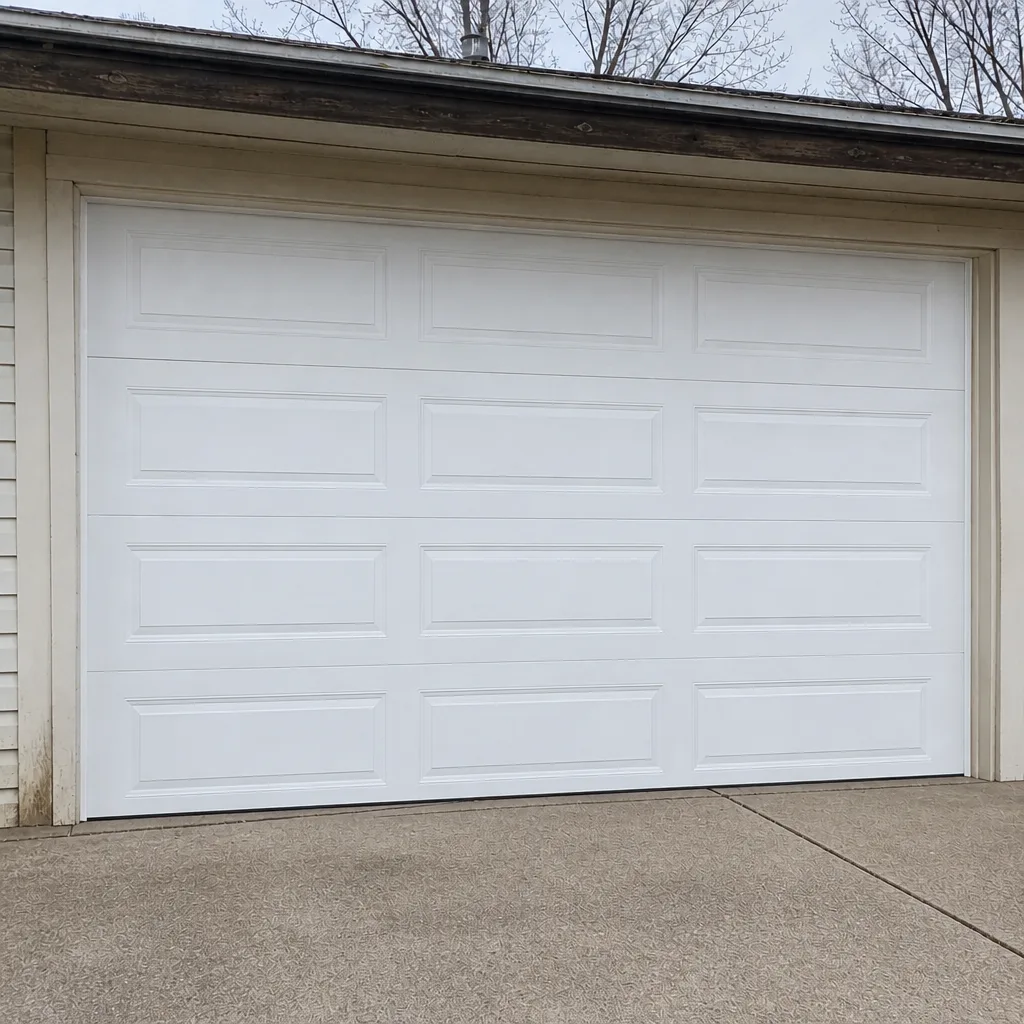 After
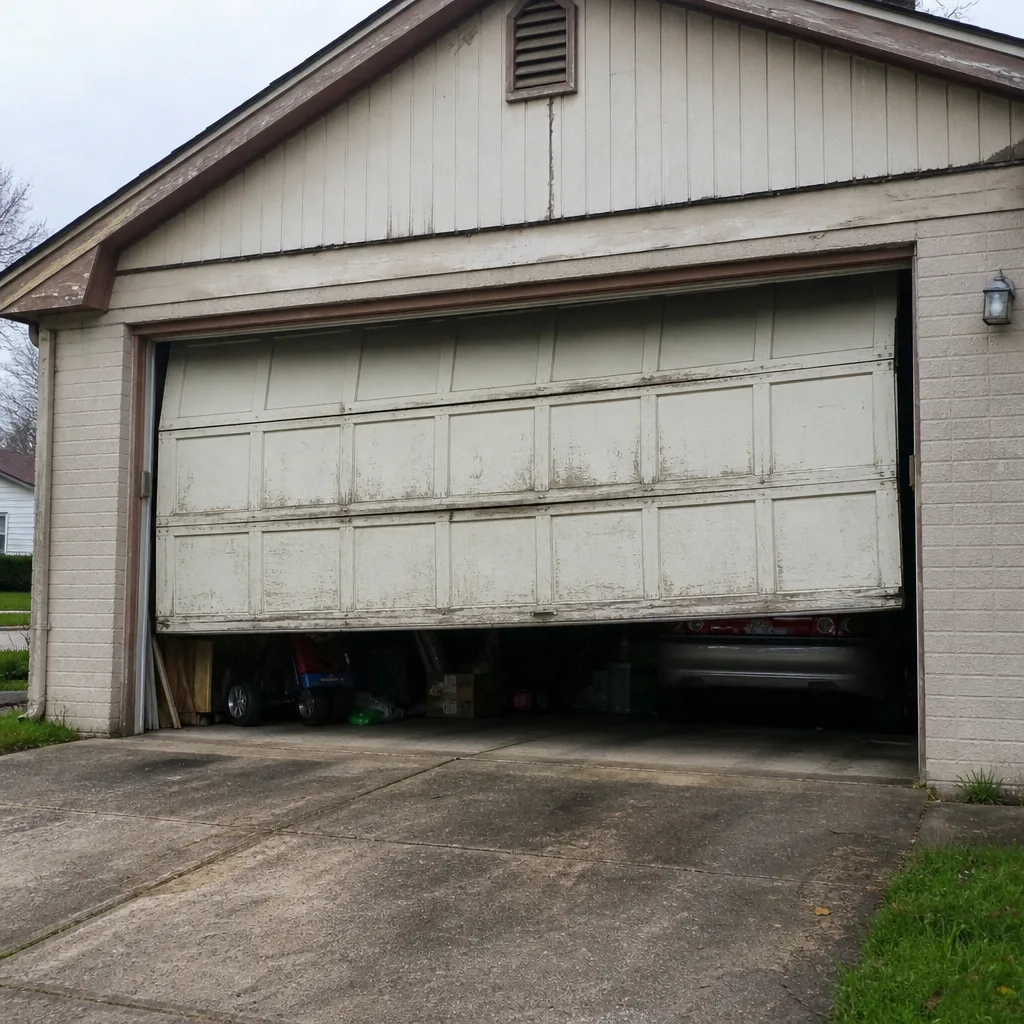 Before
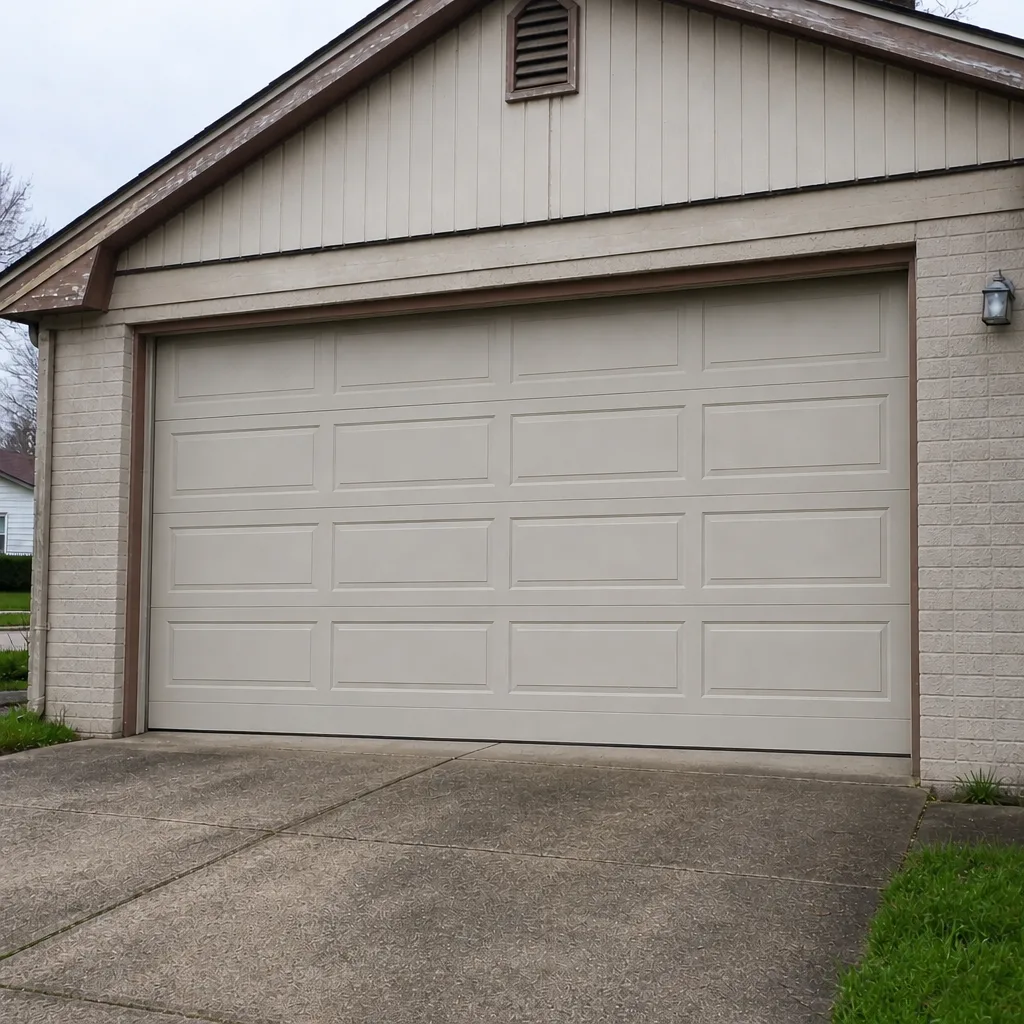 After
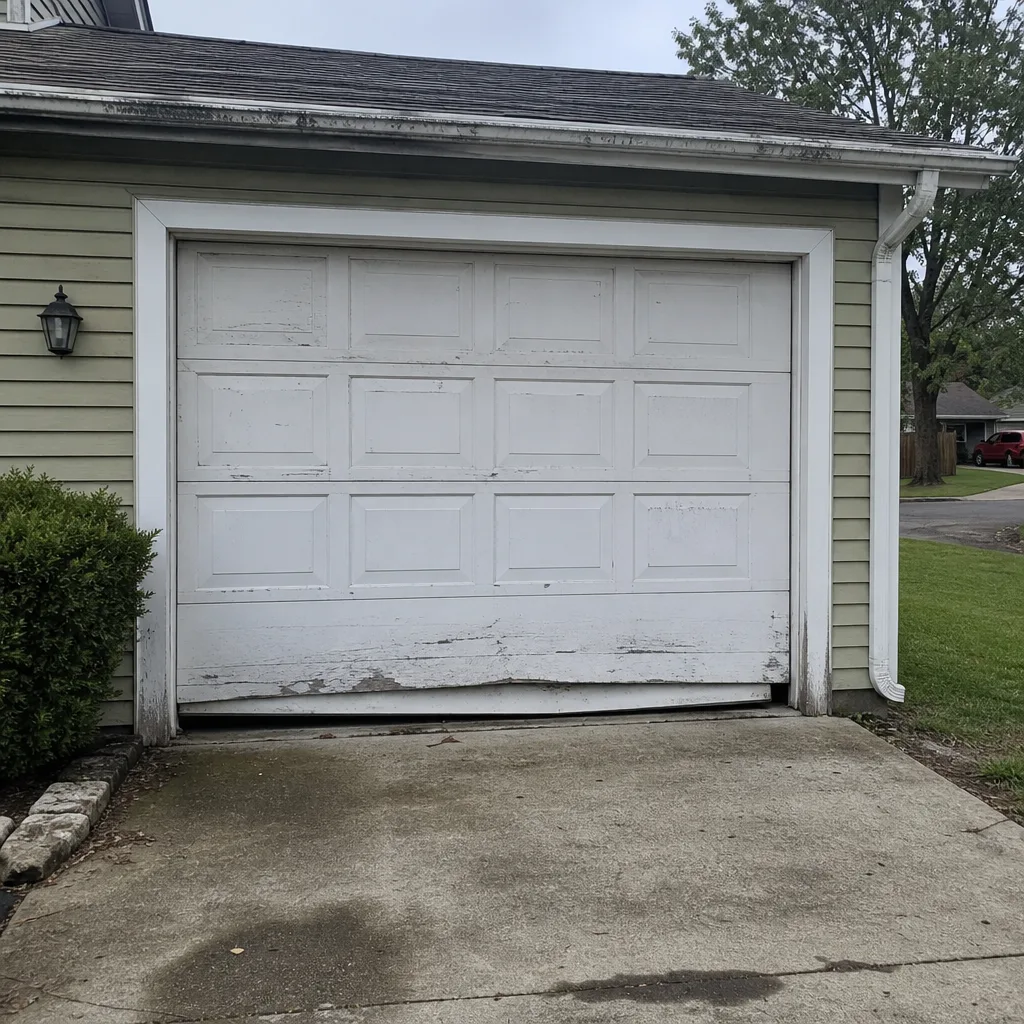 Before
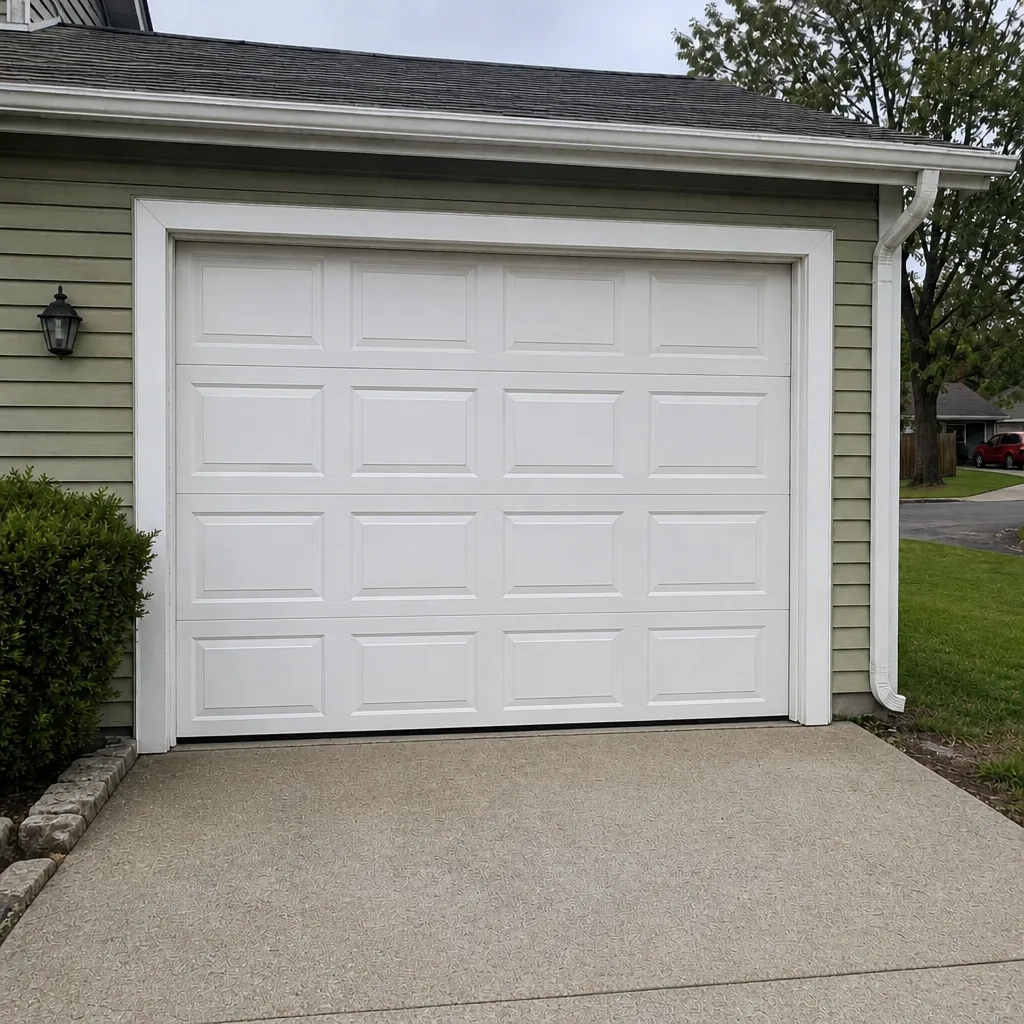 After
When to Call a Professional
Most of the seasonal checks above are safe for a homeowner: lubricating rollers and hinges, wiping sensors, eyeballing the bottom seal, and listening to the door. But some situations call for a trained technician without delay. Call a professional if the door feels heavy when you lift it manually, if a spring looks stretched, cracked, or broken, if the door travels unevenly or one side is visibly higher than the other, if you hear popping or grinding, if the door reverses for no apparent reason, or if the opener strains or trips its force limit even after you’ve checked the sensors. Garage Door Repair Huber Heights offers free estimates in Huber Heights and can inspect your door, springs, tracks, and opener in one visit. Call (877) 492-2032. We answer 24/7. Fast dispatch from 7am to 7pm, Sunday through Friday.
Frequently Asked Questions
September and early October are the most important. Doing the fall round before the first hard freeze is what prevents the winter failures we see most, because cold weather amplifies existing problems rather than creating new ones. Call (877) 492-2032 to schedule a free fall inspection and estimate.
Because the failure started months earlier. Cold weather stiffens seals, hardens metal, and adds stress to springs that were already fatigued. A door that seemed fine in October is often a door that was one cold snap away from a problem. If your door is struggling in cold weather, call (877) 492-2032 for a free estimate.
No. Household oil and general-purpose spray lubricants thicken in cold weather and can make the door harder to move, which strains the opener and the spring. Use a cold-rated garage door lubricant, or ask a technician which product they recommend. Call (877) 492-2032 if you’re not sure what your door needs.
Lubricate rollers and hinges with a cold-rated product, replace a cracked or brittle bottom seal, check track alignment and bracket tightness, test the opener’s safety reverse, and have a technician inspect spring tension before the first freeze. That last step is the one most homeowners skip, and it’s the one that matters most. Call (877) 492-2032 for a free estimate.
Track alignment, bottom seal condition, roller condition, spring tension, and a full open-and-close cycle. Freeze-thaw cycles over winter can push a bracket out of plumb, crack a seal, or push a spring closer to failing. If anything looks off, call (877) 492-2032 for a free inspection.
For most repair calls, yes. We answer 24/7 and dispatch Sunday through Friday, 7am to 7pm, and same-day repair is available for many jobs. Spring repair, opener repair, and track issues are usually within our same-day reach; new door installation is a measured, scheduled job. Call (877) 492-2032 for an exact estimate on your Huber Heights door.
The Bottom Line
Seasonal garage door care in Huber Heights is really about timing. Fall gets the door ready for the freeze. Spring catches what winter did. Summer and early fall are when you clean up after humidity and set up for the next cold stretch. Do those three rounds and the door that wakes you up in January becomes much less likely to exist. Our technicians have up to 14 years of experience across the brands installed in Huber Heights homes, and we work on LiftMaster, Chamberlain, Genie, Clopay, Amarr, Wayne Dalton, Craftsman, and Raynor systems. If you’d rather leave the checks to a trained eye, our Garage Door Repair Huber Heights team can schedule a free estimate. Call (877) 492-2032. We answer 24/7. Fast dispatch from 7am to 7pm, Sunday through Friday, and we’re closed on Saturday.
Written by the team at Garage Door Repair Huber Heights.