
Last updated November 22, 2026
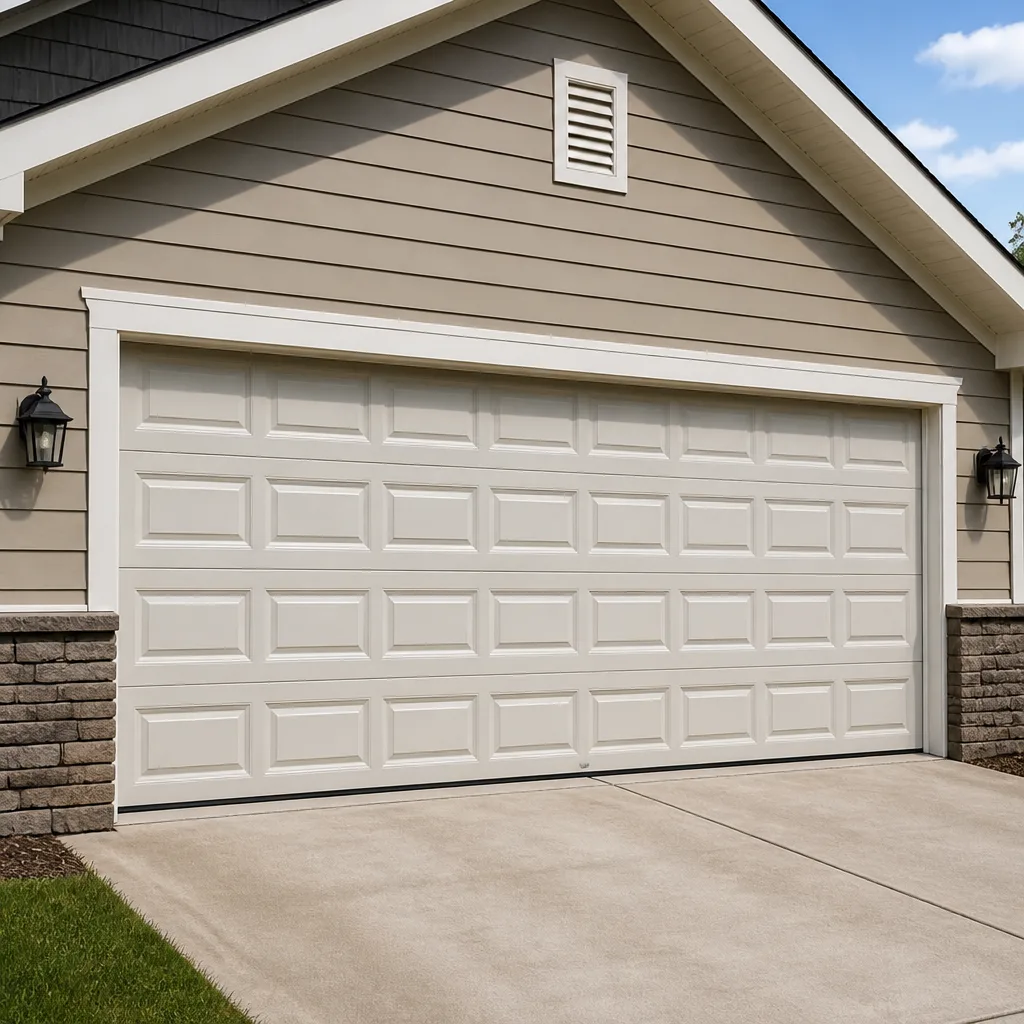 Raised-panel steel
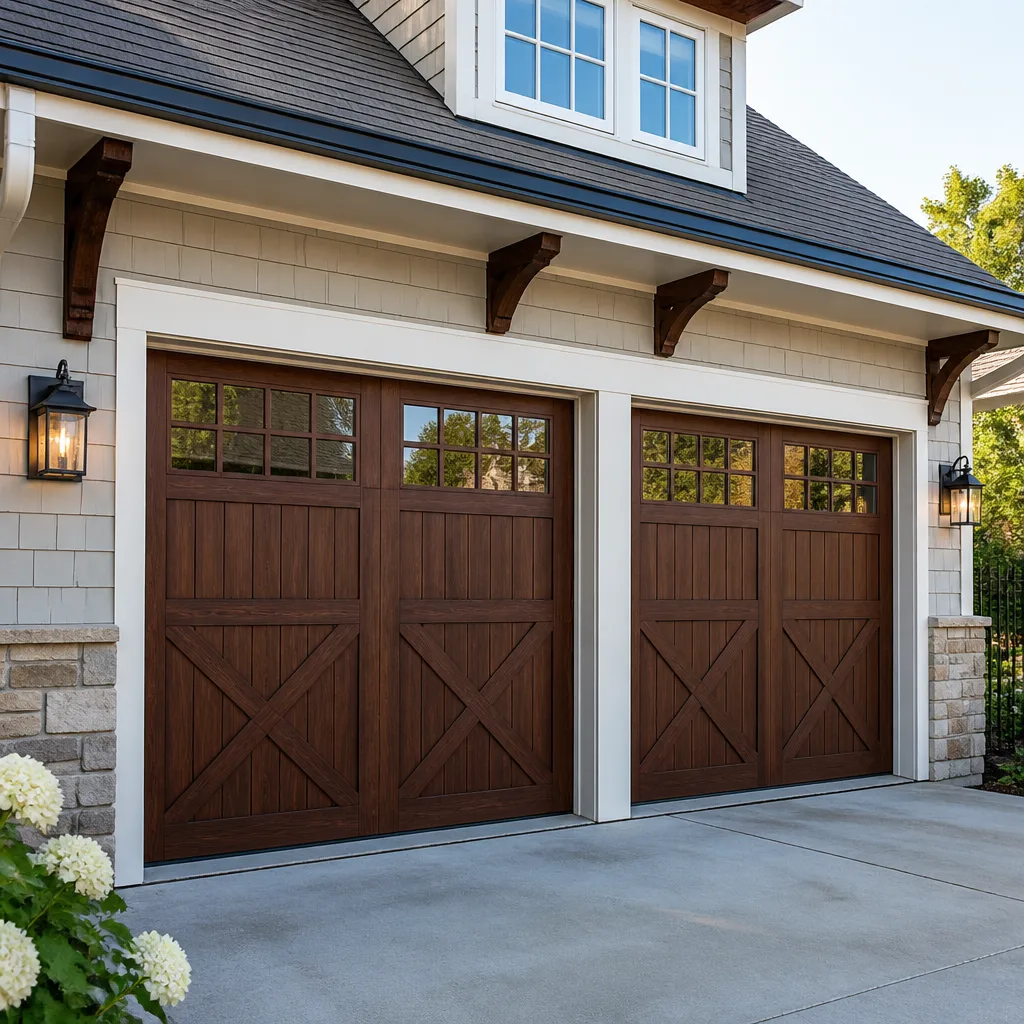 Carriage house
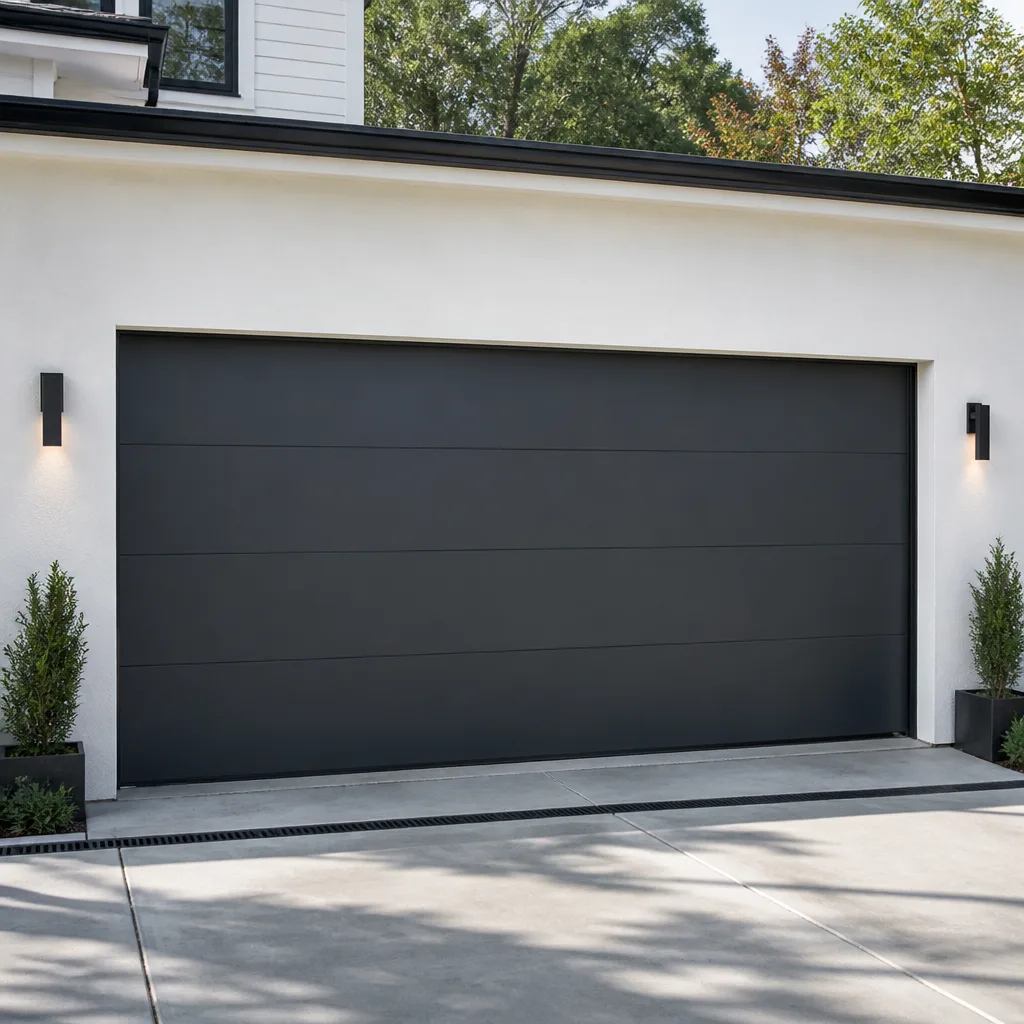 Modern flush
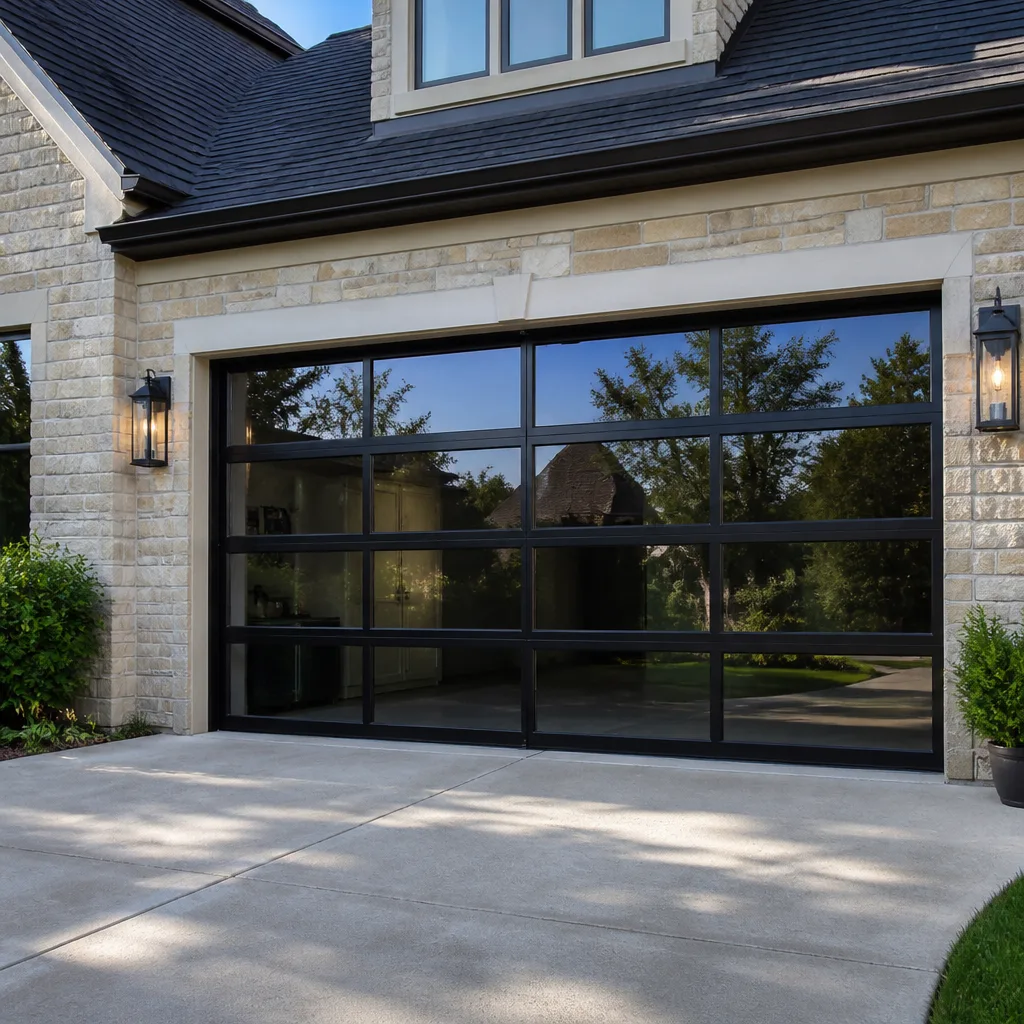 Full-view glass
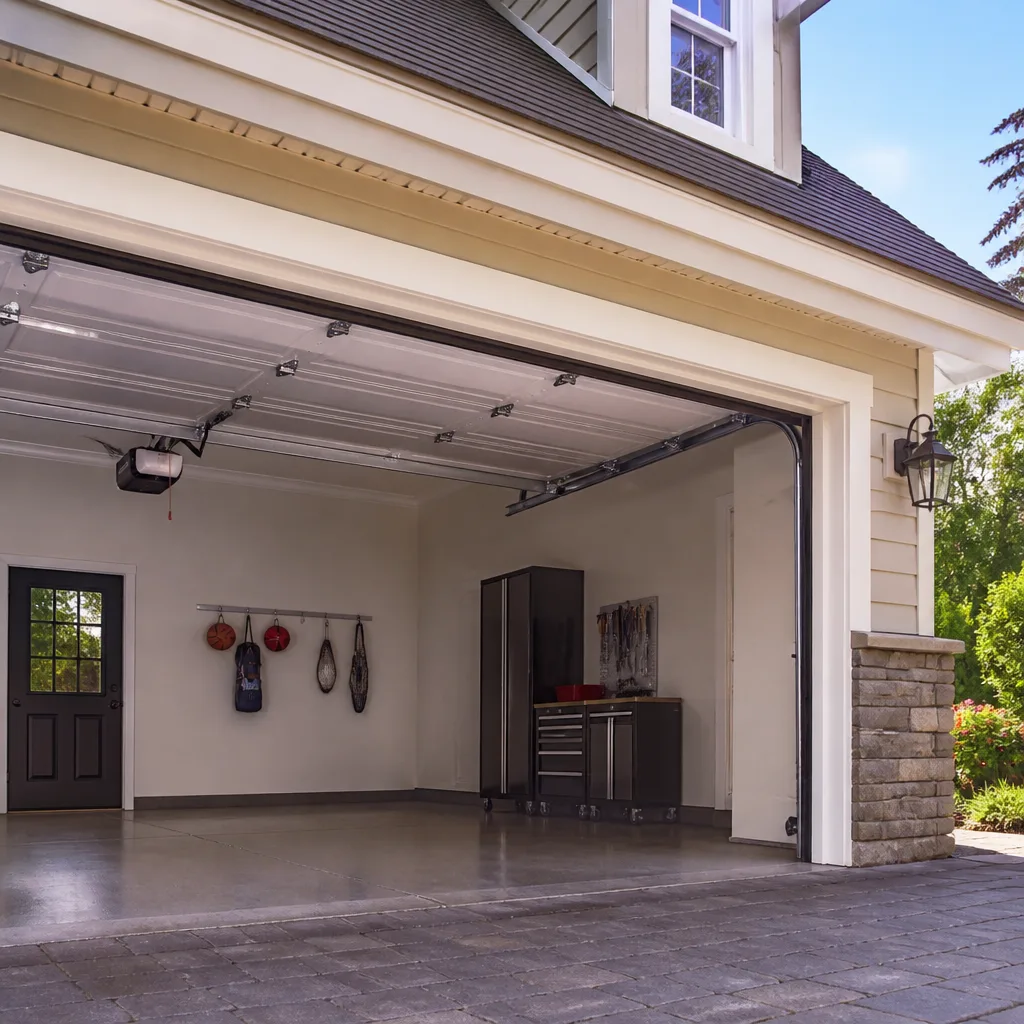 LiftMaster openers
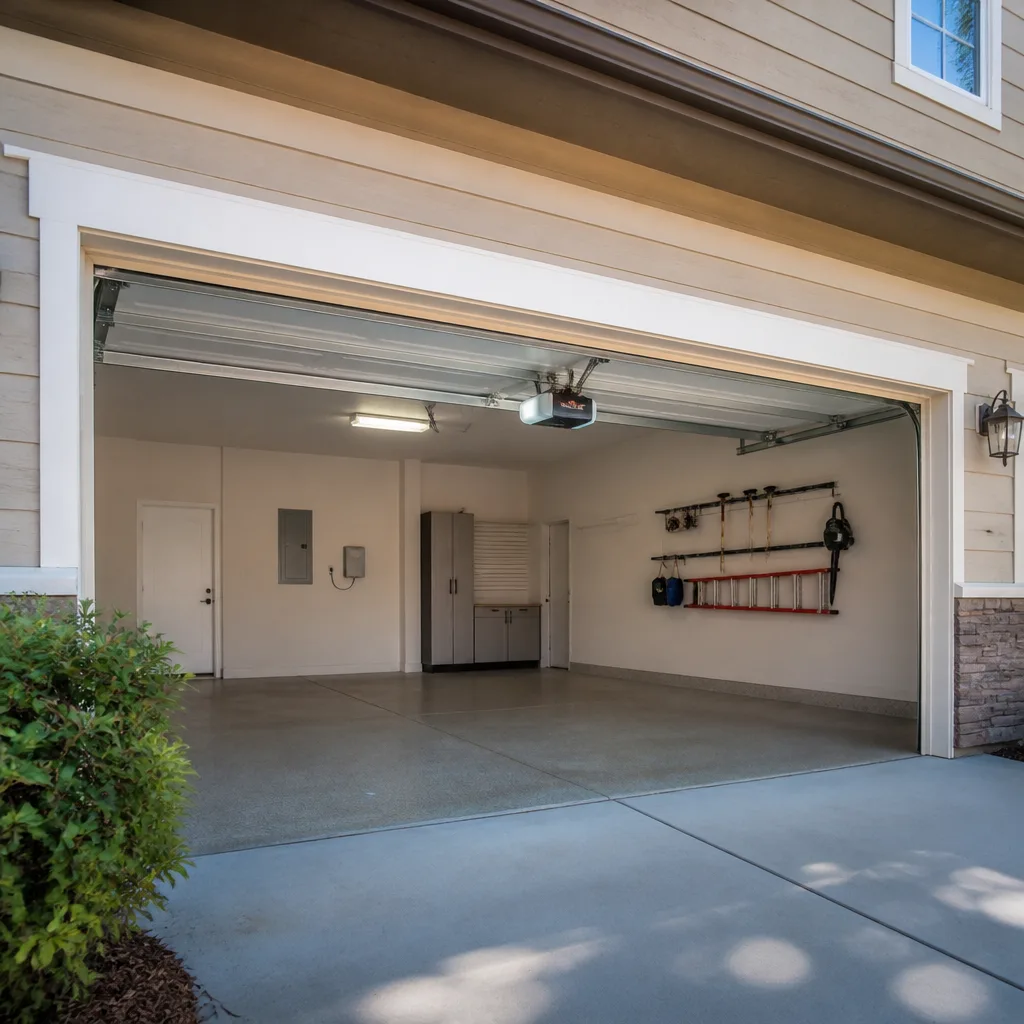 Chamberlain openers
Full 25-point door and opener safety check with every visit - springs, cables, rollers, tracks, and your LiftMaster or Chamberlain opener included
You get a price before we start. It does not change when the pro arrives.
Get your free estimateGarage Door Permits, Codes & Inspections in Huber Heights, OH: What You Need to Know
Most homeowners treat a garage door replacement like swapping out a light fixture: pick the door, pay the installer, move on. That assumption is where trouble starts. In Huber Heights, Ohio, many door swaps and opener upgrades fall under Ohio’s residential building code and the City of Huber Heights permit process, and a job that skipped that step can surface years later during a home inspection, right when you’re trying to sell. This guide walks through which projects actually trigger a permit, how the Huber Heights Building Department process works, what Ohio’s energy code and UL 325 safety standards mean for a new opener, how HOA overlay rules complicate things in local subdivisions, and what paperwork to keep afterward. If you’re planning a door or opener change in Huber Heights, read this before you sign anything.
Quick Answer
In Huber Heights, Ohio, replacing a garage door in kind is usually permit-exempt, but new door installations that involve structural changes, new framing, or a different door size typically require a permit through the City of Huber Heights Building Department. Opener replacements generally don’t need a permit, but new openers still have to meet UL 325 safety requirements, and any structural work should follow Ohio Residential Code. When in doubt, call the Huber Heights Building Department directly: it’s the only authority that can confirm what your specific project needs.
Styles & brands we work with
- Raised-panel steel
- Carriage house
- Modern flush
- Full-view glass
- LiftMaster openers
- Chamberlain openers
Table of Contents
- Which Garage Door Projects Need a Permit in Huber Heights?
- How the Huber Heights Permit Process Works
- Ohio Residential Code and What It Means for Your Door
- Openers, UL 325, and Ohio’s Energy Code
- HOA Overlay Rules in Huber Heights Subdivisions
- What a Garage Door Inspection Actually Covers
- What Paperwork to Keep After a Permitted Installation
- Why This Matters at Resale and for Insurance
Which Garage Door Projects Need a Permit in Huber Heights?
Before you order a door, understand which projects fall under the permit process and which don’t. The following is how permit requirements generally break down for residential garage doors in Huber Heights. Always confirm your specific case with the City of Huber Heights Building Department, since interpretations vary by project scope.
Typically permit-exempt:
- Replacing a garage door with an identical or same-size door in the existing opening, with no structural changes
- Replacing worn springs, cables, rollers, hinges, or tracks on an existing door
- Replacing a garage door opener with a new unit using the existing wiring and mounting points
- Routine maintenance, adjustment, and lubrication
Typically requires a permit:
- Installing a garage door on a new opening, or in a building that never had one
- Changing the size of the opening (widening, heightening, or altering the header)
- Structural modifications to the framing, header, or surrounding wall to fit a new door
- Converting a carport or unfinished opening into an enclosed garage with a door
- Adding new electrical circuits for an opener, if the work involves new wiring runs
That last item trips up homeowners who assume a new opener never needs a permit. Replacing an opener on existing wiring usually doesn’t. Running new electrical circuits to a garage that never had an opener can require an electrical permit, because electrical work falls under a separate scope. Ask the Huber Heights Building Department to clarify whether your opener installation is an electrical permit job or not. Getting that answer in writing before work starts is the fastest way to avoid surprises.
How the Huber Heights Permit Process Works
If your garage door project needs a permit, the process runs through the City of Huber Heights Building Department. Here’s the general sequence. Exact forms, fees, and turnaround times change, so confirm current requirements with the city before you apply.
- Confirm the permit type. Call or visit the Huber Heights Building Department and describe the project. Be specific: new door, existing opening, same size or different size, with or without framing changes. The permit desk will tell you whether you need a building permit, an electrical permit, or neither.
- Prepare your drawings and specs. For a structural change, you’ll typically need a simple drawing showing the existing opening, the new opening, the header detail, and the door you’re installing. Manufacturers like Amarr and Wayne Dalton publish product spec sheets your contractor can submit with the application.
- Submit the application. Most residential permits for a single-family home in Huber Heights are handled over the counter or online. The city will let you know what’s accepted and what fees apply.
- Wait for the permit to be issued. Straightforward residential permits are often issued within a few business days once the application is complete. Structural changes or projects that need plan review can take longer.
- Do the work, then schedule the inspection. After the door and any framing are installed, call the city to request the final inspection. The inspector verifies that the installed work matches the approved permit.
- Get the final sign-off. The city closes the permit once the inspection passes. Keep the approved permit and inspection record with your home documents.
One practical note: if you hire a contractor, ask who is pulling the permit. In Ohio, the permit holder is typically the licensed contractor or the homeowner. If a contractor suggests skipping the permit to save time, that’s a signal to find someone else. A permitted job protects you at resale, and a contractor who understands the Huber Heights process will likely have no issue with the paperwork.
Ohio Residential Code and What It Means for Your Door
Ohio Residential Code governs the structural side of a garage door installation, and it sets the baseline for what a permitted job has to satisfy. Two things matter most for homeowners in Huber Heights.
Header and framing. A garage door opening is a large wall opening, and the header beam above it carries the load of the wall and roof. Any change to the opening size requires that the header be sized correctly, which is why the permit process asks for framing detail. An undersized header can bow or fail over time, and it’s the kind of problem a home inspector will flag at resale.
Attachment and anchoring. The door tracks and the torsion system have to anchor securely to the framing. On a permitted installation, the inspector checks that the anchors are where they should be and that the door operates without binding. That’s a range of concerns from structural load to operation clearance.
Ohio Residential Code also touches on fire separation between the garage and the living space, and a door installation shouldn’t compromise it. If your door replacement involves new framing around an attached garage, the inspector will look at whether the wall assembly stays intact. None of this is DIY territory: a door is a large moving object with a torsion spring under serious tension, and a well-intentioned homeowner adjusting or removing hardware can get seriously hurt. Leave the structural and spring work to a trained technician, and use the permit and inspection process to verify the work.
For general repair that doesn’t involve structural changes, see our garage door repair page for how we handle day-to-day fixes.
Openers, UL 325, and Ohio’s Energy Code
Replacing an opener is usually permit-exempt, but it’s not regulation-free. Two standards apply: UL 325 (the safety standard for garage door operators) and Ohio’s energy code provisions that touch exterior envelope and air sealing.
UL 325 in plain terms. Modern garage door openers must include entrapment protection. That means a reversing mechanism, and on most residential openers today, a pair of safety sensors mounted at the bottom of the door tracks. A compliant installation has the sensors aligned and functional, so if something crosses the beam while the door is closing, it reverses. If you’re replacing an older opener without sensors, the new unit will come with them, and a proper installation includes mounting and aligning them.
Ohio energy code. A garage door is part of your home’s thermal envelope if it separates conditioned space from outside. If you’re replacing a door on an attached garage that shares a wall with living space, the new door’s insulation value matters, and the energy code may set a minimum. That’s why insulated doors are common on attached garages in Huber Heights, where winters get cold enough that an uninsulated door can make the room above or beside the garage noticeably colder. For a new installation, check with the city or a contractor about whether the energy code applies to your specific project.
An opener replacement also involves the door’s balance. A new opener installed on a door with worn springs will strain and fail early, so a good opener install checks the door balance first. If the springs are tired, garage door spring repair should come first. We’ve seen this pattern often enough that we check balance before we recommend an opener swap.
HOA Overlay Rules in Huber Heights Subdivisions
Huber Heights has a large stock of planned subdivisions, and many of them carry HOA covenants that regulate the look of your garage door independently of city code. City code says what’s structurally permissible. HOA rules say what’s aesthetically allowed in your neighborhood.
Common HOA restrictions on garage doors include:
- Approved door styles (raised panel, carriage house, flush panel)
- Approved colors (white, almond, certain browns)
- Window configuration limits (no windows, or only certain window layouts)
- Material restrictions (steel, wood-look, or composite)
- Prohibiting decorative hardware like hinges and handles
- Requiring that a replacement door match the original builder spec
Two steps matter here. First, request the HOA’s architectural approval before ordering the door. Second, get that approval in writing. A common frustration is a homeowner who buys a door on sale, installs it, and then learns the HOA wants a different style. Most manufacturers, including Clopay and Raynor, print color swatches and product images you can submit with the HOA request, which speeds approval.
HOA approval and city permits are separate processes. A permit doesn’t satisfy the HOA, and HOA approval doesn’t satisfy the city. Handle both, and keep both records. If you’re unsure which brand or style your subdivision allows, the HOA architectural committee is the source. If you’re not sure what’s already on your house, an on-site assessment can usually identify the installed brand so you can match it.
What a Garage Door Inspection Actually Covers
If your project went through the Huber Heights permit process, the final inspection is a specific check. If you’re buying or selling a home and hiring a private inspector, the scope is broader. Here’s what typically comes up.
City final inspection (permitted installation):
- Does the installed door match the approved permit (size, model, header, framing)?
- Are the tracks anchored and the torsion system properly mounted?
- Does the door open and close smoothly, without binding?
- If an opener is part of the permitted scope, do the safety sensors and reversing mechanism function?
- Any fire separation or framing requirements preserved?
Home inspection (resale): The inspector will run the door, check the balance, look at spring condition, examine the opener, and note anything that looks like a recent, unpermitted modification. A garage door that was swapped without a permit can end up as a line item in a home inspection report, with the seller expected to produce documentation or correct the issue.
For homeowners in Huber Heights, the practical takeaway is this: keep the final inspection sign-off with the rest of your home records, right next to the HVAC and roof docs. It’s the fastest way to answer a buyer’s question or an insurer’s request. If a permitted job is undocumented, call the city and ask for a copy of the permit record. Most municipalities keep them on file for years.
What Paperwork to Keep After a Permitted Installation
The paperwork is the insurance policy on the project. Several documents matter, and they often get misplaced.
- The issued permit. Keep the approved application and permit number together.
- The final inspection record. The city’s sign-off confirming the work passed inspection.
- The door and opener spec sheets. Manufacturer documentation for the installed model (Amarr, Wayne Dalton, Craftsman, Raynor, and other brands all publish these).
- The warranty documents. Both the manufacturer warranty and any installer warranty.
- The contractor’s invoice with itemized scope. A line-item invoice that describes what was installed, the brand, the model, and the labor is useful if a warranty claim arises.
- HOA architectural approval. Written sign-off from the architectural committee, especially for a non-original style.
Digitize the whole set after installation. A phone photo of each document in a folder is enough, and it makes the file easy to share if you ever need to email it to an insurer or a buyer’s agent. Physical copies go into the same folder as your home improvement records.
Why This Matters at Resale and for Insurance
Two scenarios make the paperwork valuable. The first is resale. Home inspectors in the Huber Heights market check the garage carefully, and a recently installed door with no permit record is a question mark. Buyers and lenders react to question marks, and a deal that’s moving smoothly can stall while you dig up documents. The fix is usually to call the city for the record, or if the job never had a permit, to get it inspected and permitted retroactively. Either path takes time, and the seller often ends up doing the work before the sale closes.
The second is insurance. A garage door is a large, heavy installed item, and if it fails and damages a car, a wall, or a person, an insurer will look at how it was installed. Proper documentation doesn’t guarantee a claim outcome, but it makes the conversation much simpler. Some insurers also ask about opener features like safety sensors, and the spec sheet answers the question quickly.
None of this should make a door replacement feel like a legal minefield. Most in-kind replacements are permit-exempt, and the permit process for a structural change is straightforward once you know the steps. Knowing what applies to your project in Huber Heights is the real work, and the City of Huber Heights Building Department is the most direct source of answers. If you’d rather have someone who handles this weekly, that’s a reasonable phone call to make.
Common Mistakes to Avoid
- Assuming every replacement needs a permit, or that none do. Neither extreme is correct. In-kind replacements on existing openings are usually exempt; structural changes usually aren’t. Confirm with the Huber Heights Building Department before you order.
- Ordering the door before checking HOA rules. A sale price on a door in the wrong style for your Huber Heights subdivision is no bargain. Get architectural approval in writing first. If you’re unsure what brand is currently installed, see our Garage Door Repair Huber Heights page for an on-site look.
- Letting the contractor skip the permit. A contractor who suggests not pulling a permit when one is needed is saving themselves time at your expense. The paperwork only matters if it exists and passes inspection.
- Replacing the opener without checking spring condition. A new opener on a door with worn springs will strain and fail early. Balance the door first. If springs are the issue, our garage door opener repair team can check both while they’re on site.
- Forgetting the electrical scope. A new opener on existing wiring usually doesn’t need a permit. Running new circuits to a garage that never had an opener can. Ask about the electrical permit separately.
- Ignoring Ohio energy code on an attached garage. If the door separates conditioned space from outside, the insulation value of the door may matter. Check the requirement before choosing an uninsulated model.
- Not keeping the final inspection record. Without it, a future buyer or insurer has no proof the installation was permitted. It takes seconds to file and can save days later.
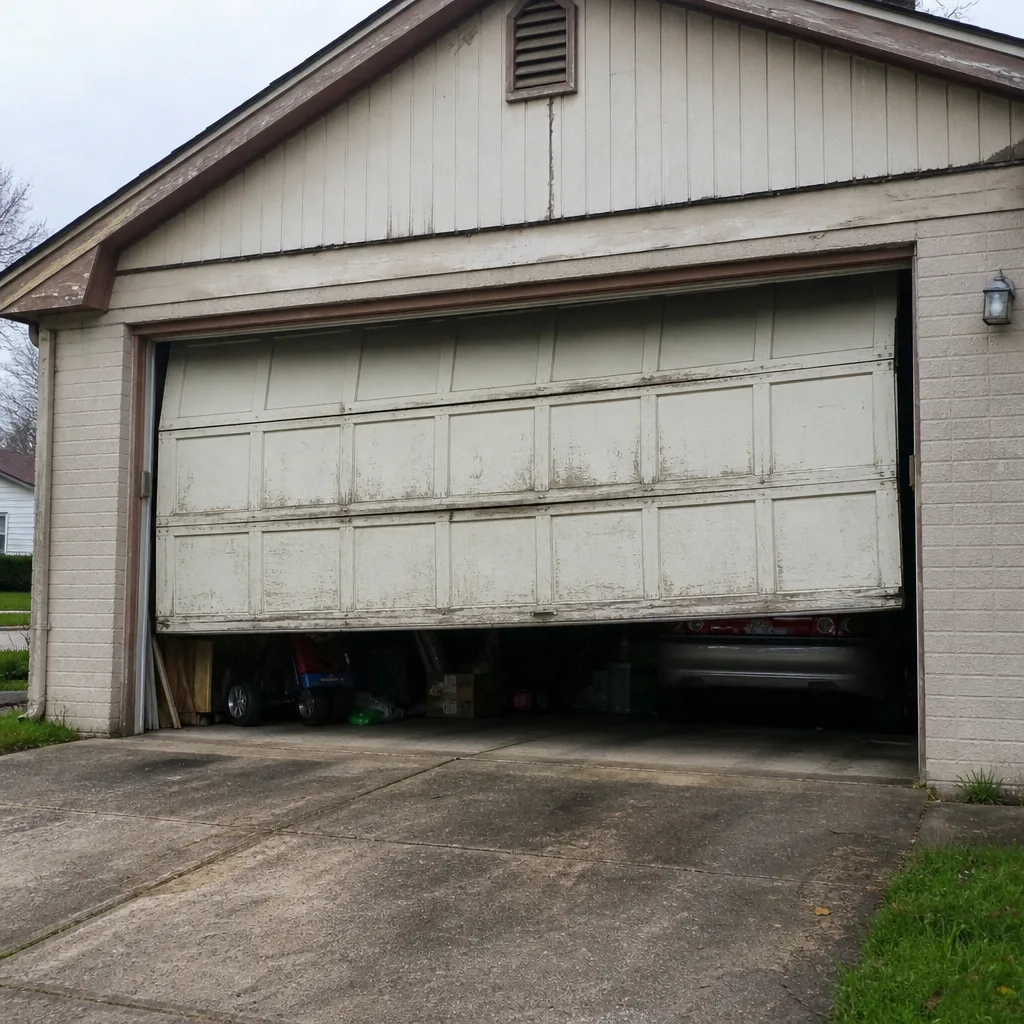
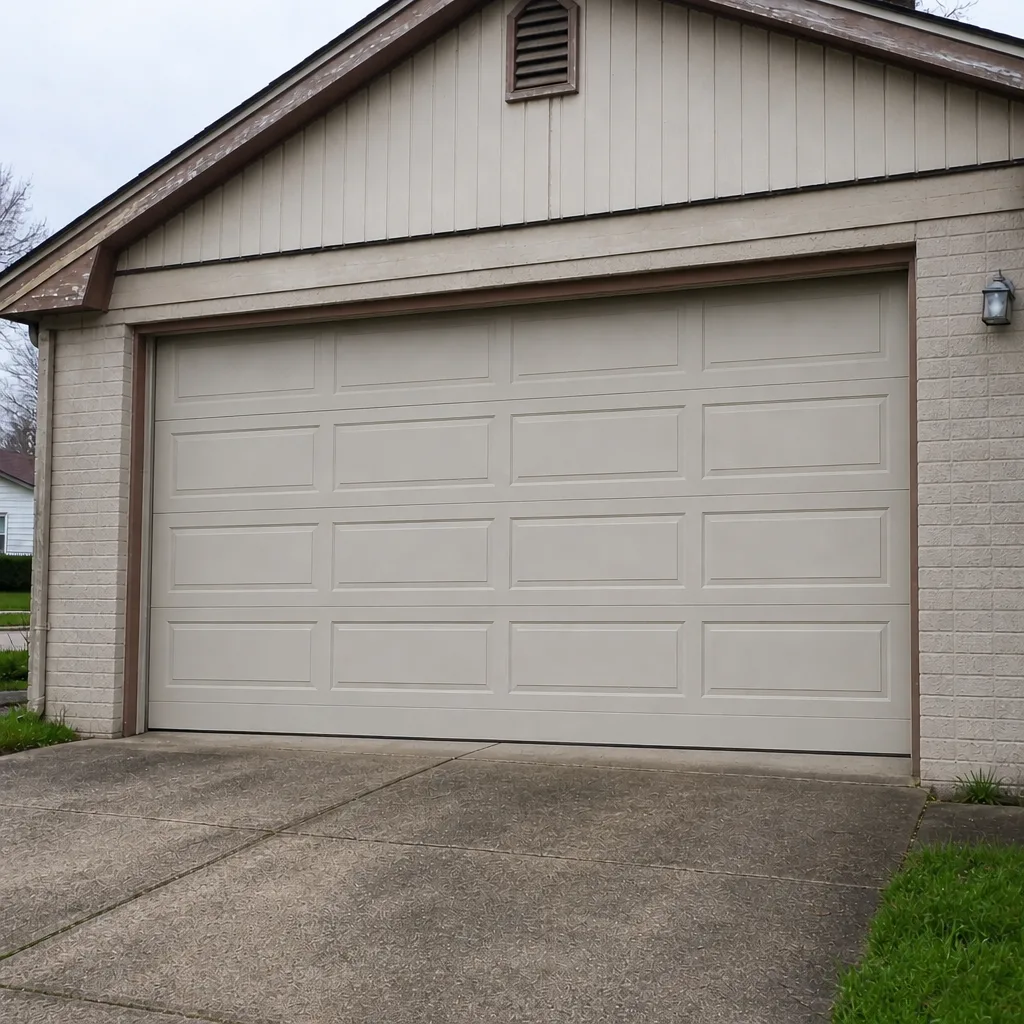
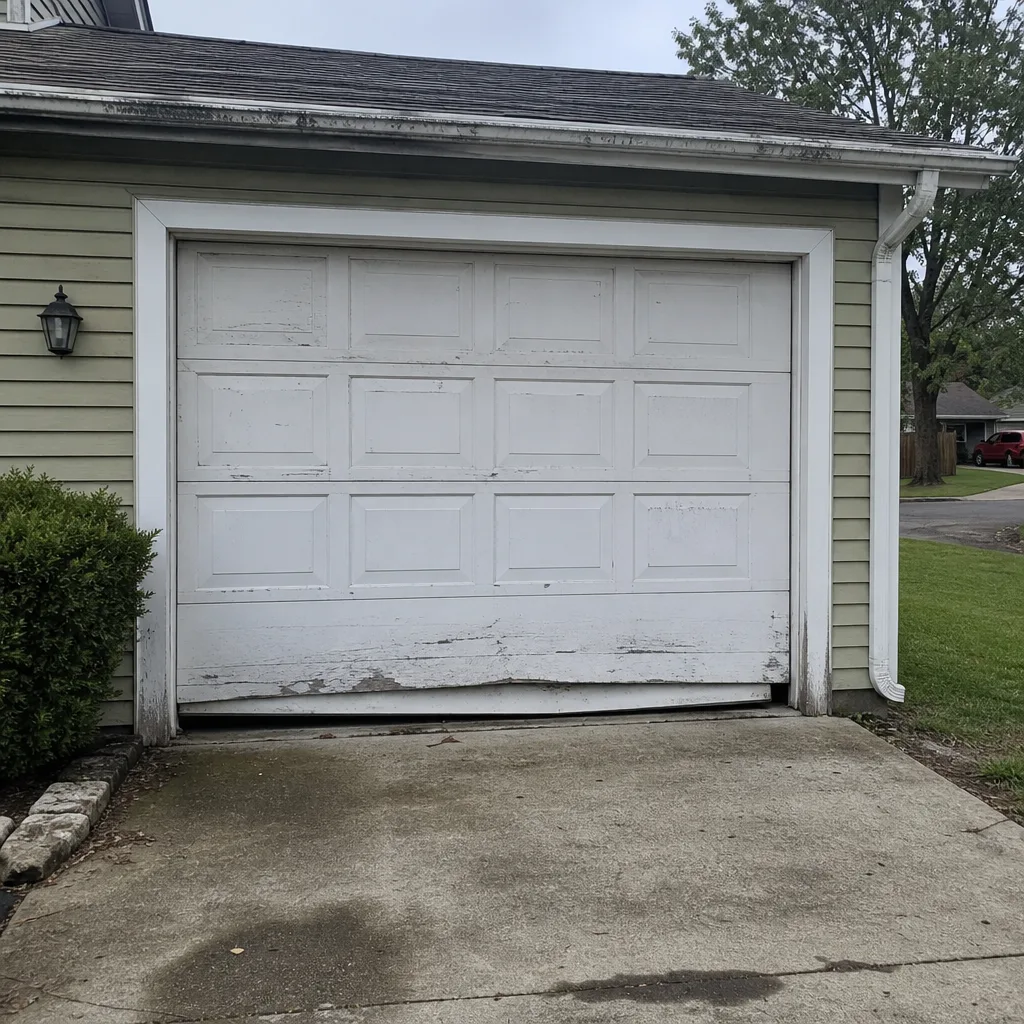
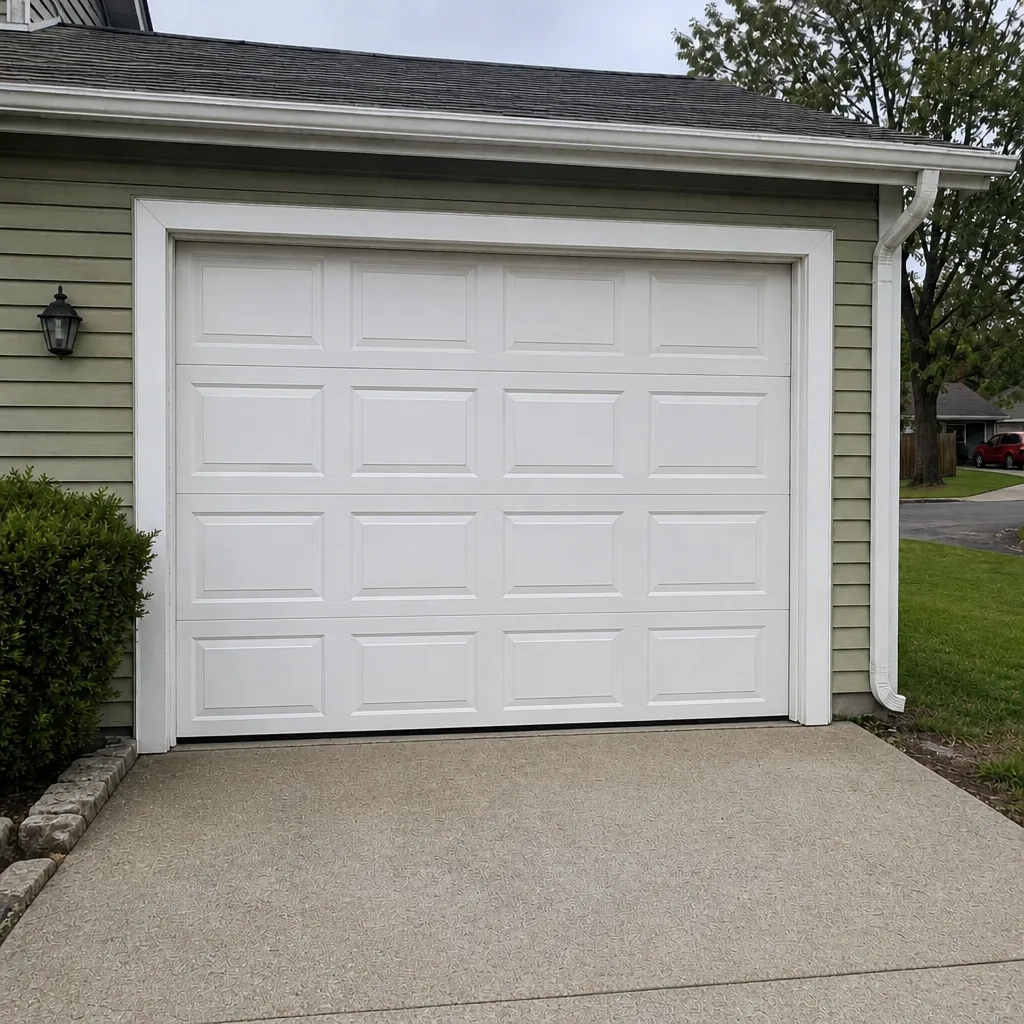
See the difference
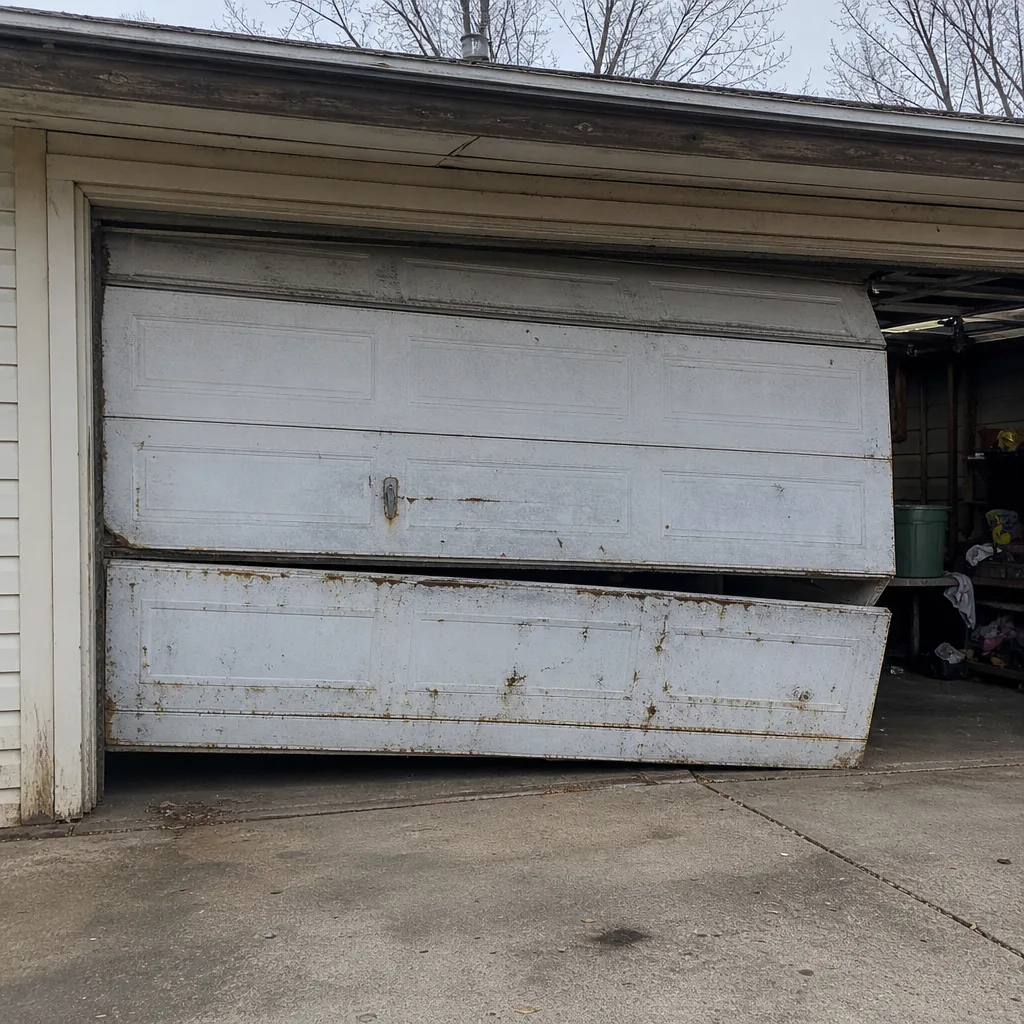 Before
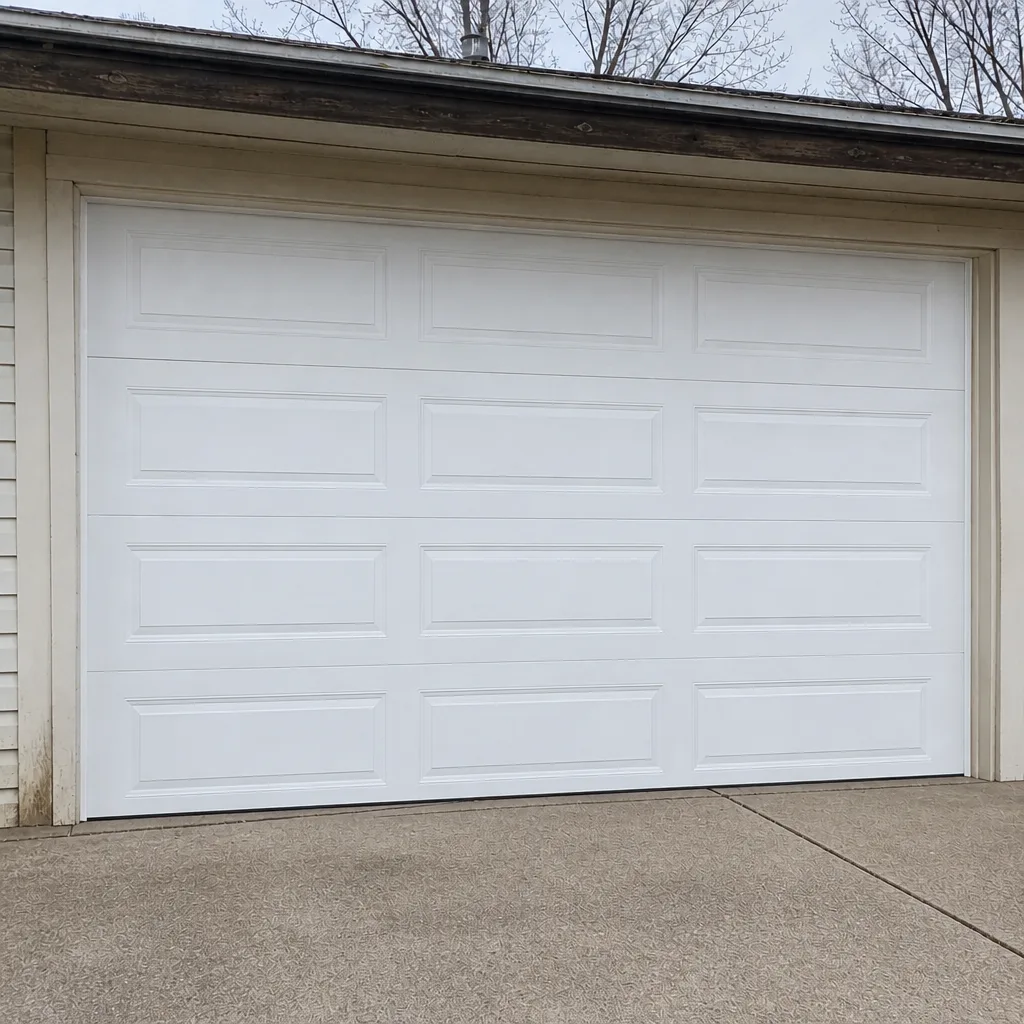 After
 Before
 After
 Before
 After
When to Call a Professional
Some projects are clear DIY territory: lubing rollers, tightening a loose hinge, replacing a weather seal. Most of what we’re describing in this guide isn’t. Garage door torsion springs are under serious tension, and a single slip during adjustment can cause a serious injury. Any work involving springs, cables, or the torsion system belongs with a trained technician. The same goes for structural framing changes to a door opening, since an undersized header is a long-term problem. If your door is off-track, won’t close, or you’re planning a full installation on a modified opening, call a specialist. We work with the brands already installed in Huber Heights homes, including Amarr, Wayne Dalton, Craftsman, and Raynor, so identifying the right parts isn’t guesswork. Garage Door Repair Huber Heights offers free estimates in Huber Heights. Call (877) 492-2032. Our technicians have up to 14 years of experience. We answer 24/7. Fast dispatch from 7am to 7pm, Sunday through Friday.
Frequently Asked Questions
It depends on the project. Replacing a door in an existing opening with the same size door usually doesn’t require a permit. A new installation that changes the opening size or involves structural framing typically does. Call the City of Huber Heights Building Department with your specific project details to get a definitive answer. Call (877) 492-2032 if you’d like an on-site assessment before you call the city.
Permit fees vary by project scope and are set by the City of Huber Heights. The Building Department can quote you the exact fee for your application. Budget for a modest processing fee on a residential permit, and ask whether plan review costs extra if your project involves structural changes.
Usually no, if you’re replacing the opener on the existing wiring and mounting points. If the installation requires new electrical circuits, an electrical permit may be needed. Confirm with the Huber Heights Building Department. New openers still need to comply with UL 325 safety requirements, including entrapment protection.
We don’t recommend it. A permitted job protects you at resale, and an unpermitted modification can surface during a home inspection. If you already have an unpermitted installation, call the Huber Heights Building Department to find out how to get it inspected and documented. The process is usually more straightforward than homeowners expect.
Keep the issued permit, the final inspection sign-off, the door and opener spec sheets, warranty documentation, the itemized contractor invoice, and any HOA architectural approval. Digitize the file and store physical copies with your home improvement records. These documents are useful at resale and for insurance questions.
Yes, they’re separate. The city regulates structural and safety compliance. The HOA regulates appearance: door style, color, window configuration. Both apply, so get HOA approval before ordering and permit approval before installing. Neither substitutes for the other.
The Bottom Line
Garage door permits in Huber Heights come down to three simple questions. Is the project a structural change or a like-for-like replacement? Does the installation involve new electrical work? Is a Huber Heights HOA involved? Answer those three with the city, your contractor, and your HOA, and you’ll know exactly where you stand. Keep every piece of paperwork, because it’s what answers the inspector, the insurer, and the buyer’s agent later. And when the work involves springs, cables, or framing, bring in a trained technician: it’s safer, it’s faster, and it keeps the permit record clean.
If you’re ready to schedule a measure or an assessment in Huber Heights, call (877) 492-2032 for a free estimate. We answer 24/7. Fast dispatch from 7am to 7pm, Sunday through Friday. We work on the brand already in your garage, and the written estimate sets the price before we start.
Written by the team at Garage Door Repair Huber Heights.