
Last updated November 22, 2026
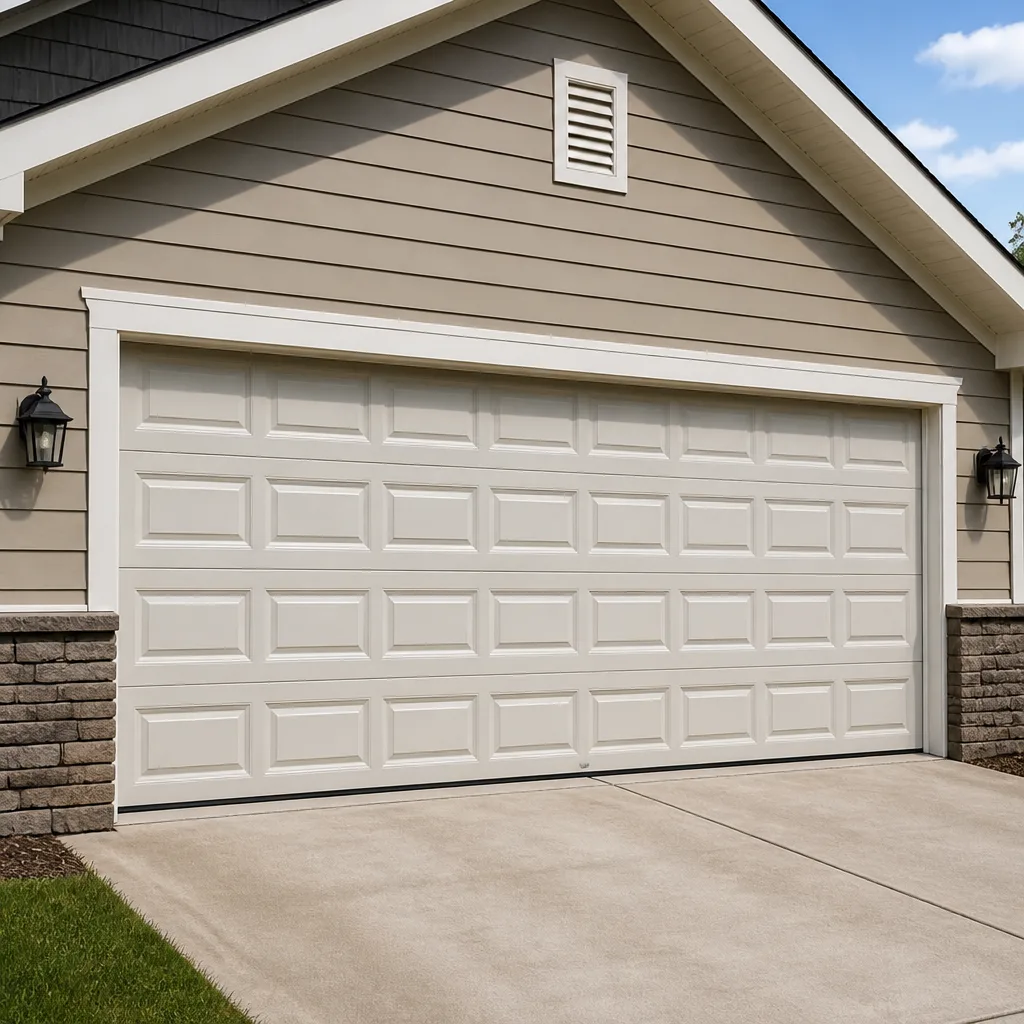 Raised-panel steel
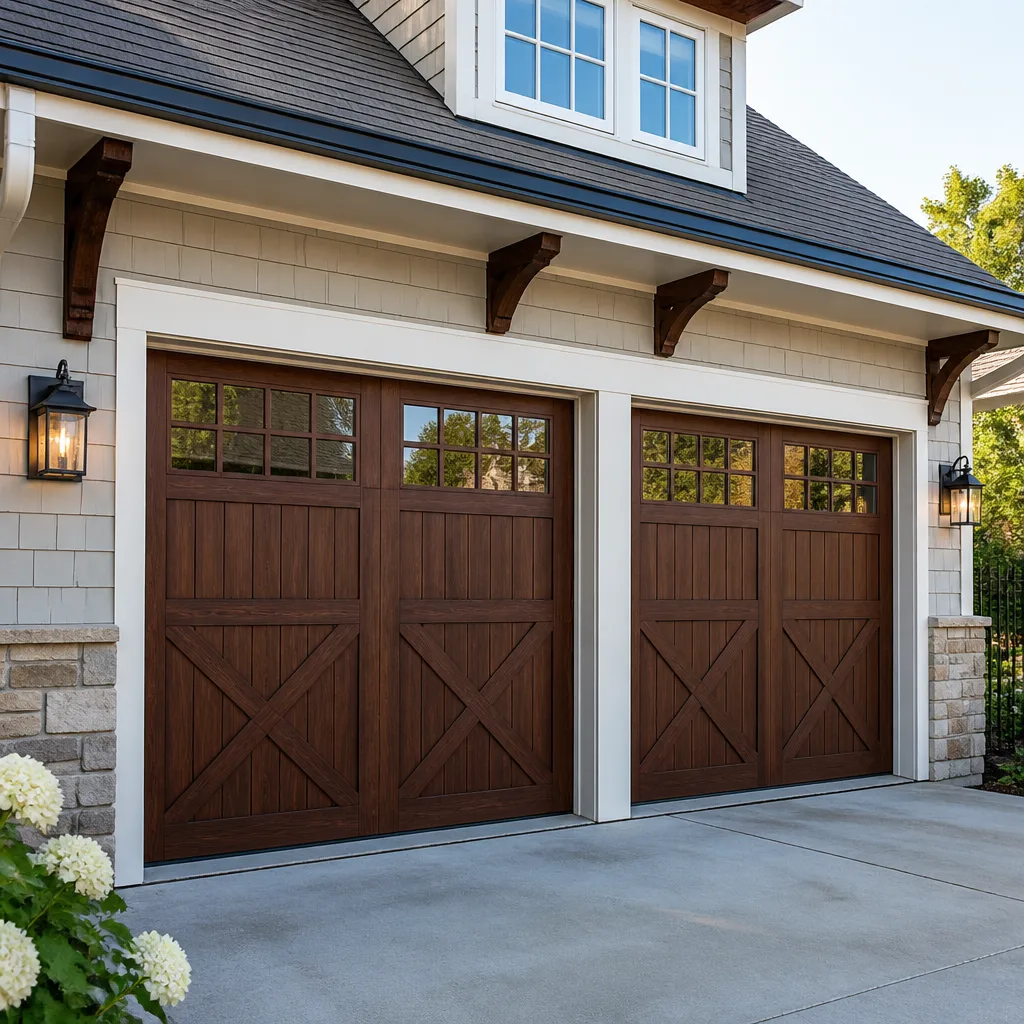 Carriage house
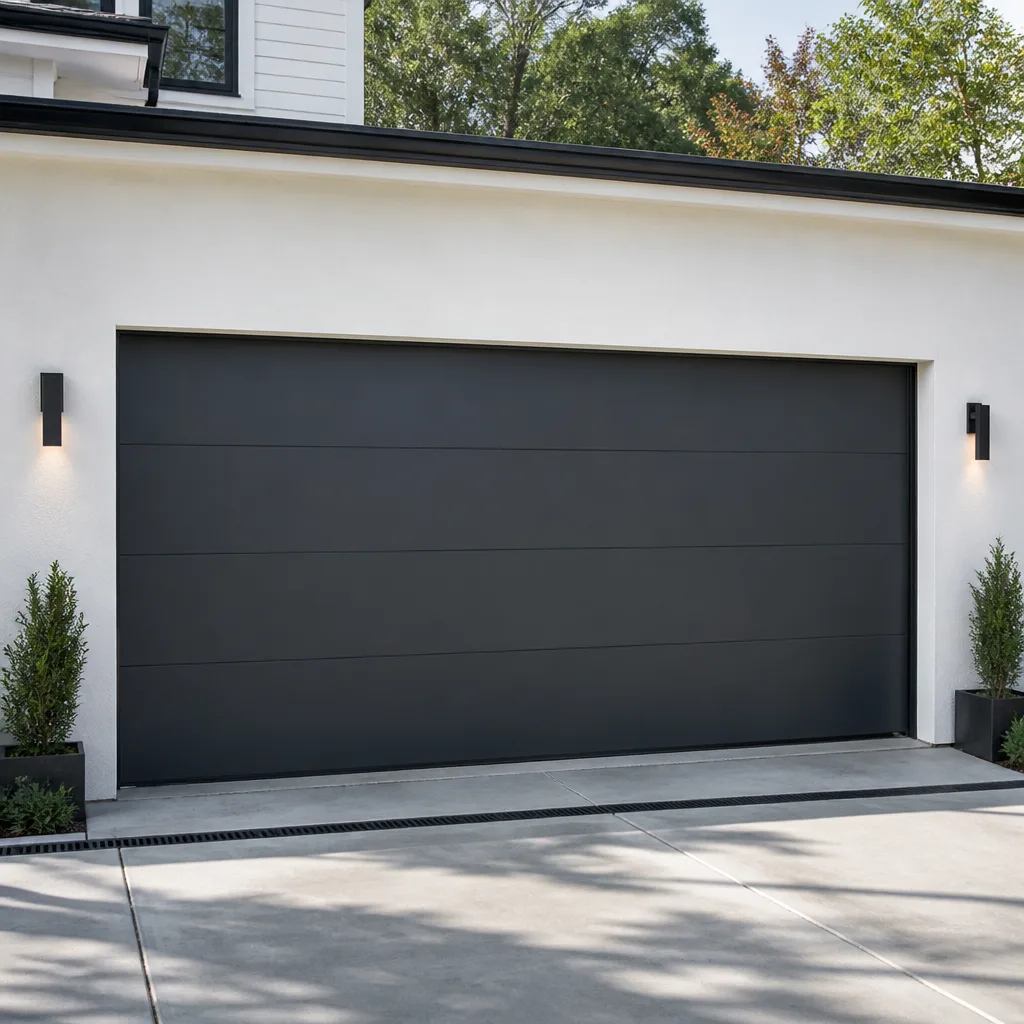 Modern flush
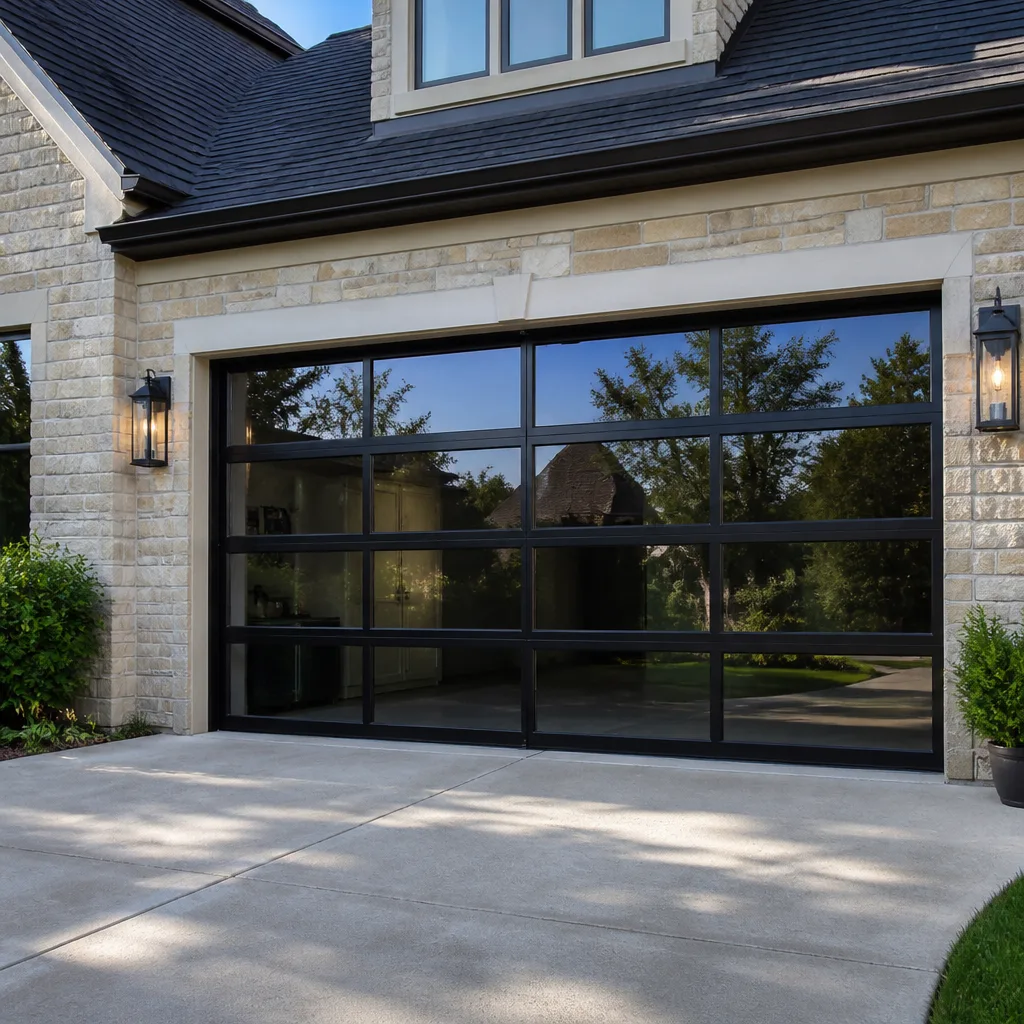 Full-view glass
 LiftMaster openers
 Chamberlain openers
Full 25-point door and opener safety check with every visit - springs, cables, rollers, tracks, and your LiftMaster or Chamberlain opener included
You get a price before we start. It does not change when the pro arrives.
Get your free estimateGarage Door Repair Maintenance Checklist for Huber Heights Homeowners
Skipping one lubrication point on a torsion spring system doesn’t just cause noise. It accelerates metal fatigue, and in a cold-weather climate like Dayton’s, that can shorten spring life considerably. Most garage door checklists you’ll find online treat every task as equally urgent and stop at “wipe down the tracks.” That’s not useful when you’re standing in a Huber Heights driveway trying to figure out why the door shudders on the way up. This guide gives you a prioritized checklist, ordered by how often each task matters, tied to the failures we actually see in this housing stock and climate. You’ll learn what to lubricate, what to leave alone, and which warning signs mean stop.
Quick Answer
A solid garage door maintenance routine for Huber Heights homeowners means lubricating rollers, hinges, and the torsion spring once or twice a year, testing the balance and auto-reverse monthly, and inspecting cables and springs for wear each season. Anything involving springs, cables, or the high-voltage side of the opener belongs to a trained technician, not a weekend project. The checklist below orders every task by how often it should happen so you can spend your time where it matters most.
Styles & brands we work with
- Raised-panel steel
- Carriage house
- Modern flush
- Full-view glass
- LiftMaster openers
- Chamberlain openers
Table of Contents
- Why Regular Garage Door Maintenance Matters in Huber Heights
- The Monthly Checklist: What to Test, Not Just Clean
- Seasonal Tasks for Huber Heights Weather
- The Annual Checklist: Springs, Cables, and Hardware
- Lubrication Points and the Right Products to Use
- How to Test Balance, Travel Limits, and Auto-Reverse Safely
- What’s DIY-Safe and What Voids Your Warranty
- Red Flags That Mean Call a Professional Now
Why Regular Garage Door Maintenance Matters in Huber Heights
A garage door is the largest moving object in most homes, and Huber Heights is full of homes where that door has been cycling twice a day for years. The Dayton area’s freeze-thaw swings are hard on metal. Springs that sit under constant tension expand and contract with temperature changes, and the steel fatigues a little faster than it would in a mild climate. Lubricant thickens in January cold and thins out in July heat. Both extremes wear parts faster.
The housing stock matters too. Many homes in Huber Heights have the original builder-grade openers and doors from their construction year, which means 15 to 25 years of cycles on the same springs. Others have been updated with a newer Clopay or Amarr door but kept the older opener. Mismatched systems are common here, and a maintenance check is the best way to catch a problem before it strands your car.
We work on the brand already in your garage, from Chamberlain and Genie openers to the doors themselves. Our technicians have up to 14 years of experience, and a good maintenance routine is what keeps a door out of the emergency call category. A door that snaps a spring on a Tuesday morning in Huber Heights is usually one that was already making noise the week before.
The Monthly Checklist: What to Test, Not Just Clean
Monthly maintenance is about testing operation, not scrubbing. Most problems show up in how the door moves long before a part fails. Five minutes once a month is enough to catch the majority of issues early.
- Watch the door through a full open-close cycle. Look for jerking, hesitation, or a door that drifts to one side. A door that moves in starts and stops is usually a balance or roller problem.
- Listen, don’t just look. A grinding or scraping sound points to rollers or tracks. A sharp bang when the door opens or closes is a spring losing tension.
- Test the auto-reverse. Put a small object in the door’s path and confirm the door reverses on contact. This is your family’s safety system, and it should reverse every time.
- Check the photo-eye alignment. Both sensors at the bottom of the tracks should have a steady light. A blinking light means they’re out of alignment or blocked.
- Look at the weather seal along the floor. A compressed or torn bottom seal lets cold air, water, and pests into a Huber Heights garage.
None of these tasks require tools or climbing. They’re visual and operational checks, and they tell you whether the next step should be a call to a professional. If anything looks off during one of these cycles, that’s your signal to schedule a service visit rather than wait for it to get worse.
Seasonal Tasks for Huber Heights Weather
Two seasons matter most in the Dayton area: the first hard freeze of late fall and the spring thaw. Each one puts stress on a different part of the door system, and each calls for a slightly different set of checks.
- Before the first hard freeze: Apply a cold-rated lubricant to hinges, rollers, and the torsion spring. Lubricants that work fine in summer can drag in January. Confirm the bottom seal isn’t cracked and letting cold air under the door.
- During the coldest weeks: Listen more often. Springs are most likely to break when temperatures drop fast, and a snapped spring can leave a car trapped inside. If the door feels heavy or won’t open all the way, stop using the opener and call for service.
- Spring thaw: Check the floor seal for water intrusion and look at the concrete where the door meets it. Freeze-thaw cycles can throw the door slightly out of alignment, which shows up as a gap on one side.
- Summer heat: Metal expands, and a door that fit tight in winter may drag. Check that the tracks are still plumb and that the door isn’t scraping on one side.
These seasonal checks are the reason we recommend scheduling a professional service visit in fall and again in spring. A technician can catch a weakened spring earlier than you’ll notice it, and it’s far less disruptive than a mid-winter emergency.
The Annual Checklist: Springs, Cables, and Hardware
Once a year, walk a full inspection of every component. This is where the checklist gets more serious, and where some items should move from “check” to “leave to a professional.”
- Inspect both torsion springs. Look for a visible gap or gaping wind in the spring. Any sign of a break or a heavily rusted spring is a professional call, never a DIY fix.
- Check the cables on both sides. Cables should run straight along the track without frays, kinks, or slack. A frayed cable is a serious safety hazard.
- Tighten the hardware you can safely reach. Roller brackets, hinge screws, and the track bolts are worth checking with a wrench. Never touch the spring assembly or the cable drums.
- Check the rollers for wear. Worn steel rollers sound like a rattle and can leave a door wobbly. Replacement is often a good time to switch to nylon rollers.
- Inspect the opener’s mounting and chain or belt. A chain should have a small amount of slack, not sag across the rail. Belt-drive openers on newer Genie and Chamberlain units usually just need a check for belt wear.
- Test the manual release. Pull the red handle and make sure the door opens by hand smoothly. If it’s heavy or binds, the springs or balance are off, and that’s a professional problem.
Most of what’s on this list is inspection only. The moment you’re looking at the spring or the cables, your job is to look, not touch. Those two components carry lethal tension and are the single most common reason homeowners get hurt working on a garage door.
Lubrication Points and the Right Products to Use
Lubrication is the highest-value maintenance task you can do yourself, and it’s also the one most homeowners get wrong. The wrong product attracts grit, damages seals, or simply doesn’t last. The right one quiets the door and protects metal through a Huber Heights winter.
What to use:
- White lithium grease or a silicone-based lubricant for hinges, rollers, and the torsion spring. These stay put and won’t gum up in cold weather.
- Do not use WD-40 as a lubricant. It’s a solvent, not a lubricant, and it strips the protective coating off hinges and rollers.
- Never use heavy grease on the tracks. Tracks need to stay clean, not greasy. Grease on the tracks collects dust and grit, which wears the rollers and causes the door to drag.
- Silicone spray is the right choice for the bottom weather seal, because petroleum products degrade the rubber.
Where to apply:
- Spray lubricant into every hinge joint along both sides of the door.
- Apply a light coat around the bearing plates and the torsion spring, wiping off excess.
- Lubricate the roller bearings, not the roller surface that rides in the track.
- Wipe the tracks clean with a dry cloth, no lubricant.
- Spray silicone on the bottom seal and the rubber weatherstripping on the sides and top.
The one point homeowners skip is the torsion spring. That’s also the point where metal fatigue matters most. Keeping a light coat of lubricant on the spring coils reduces friction between them and can extend the spring’s life.
How to Test Balance, Travel Limits, and Auto-Reverse Safely
These three tests check whether the door and opener are working together correctly, and all three can be done without tools. The rules for doing them safely, though, aren’t always obvious.
Balance test. Disconnect the opener with the manual release, lift the door halfway by hand, and let go. A balanced door stays put. A door that slams down or flies up is out of balance, which almost always means a spring issue. Reconnect the opener only after the door is balanced, or better, call for service.
Travel limits. The opener should stop the door at the same points every time. Open and close the door fully and watch where it stops. If it stops short of the floor or reverses before it fully opens, the limit settings on the opener need adjustment. On most Chamberlain and Genie units these are set with a screwdriver or via the control panel, but if you’re not sure, a technician can set them correctly in minutes.
Auto-reverse test. Place a roll of paper towels in the door’s path and close the door. It should reverse on contact with the object. Then, without a door present, wave your hand through the photo-eye beam and confirm the door reverses there too. Both tests need to pass. If one fails, the door is a safety hazard until it’s repaired.
A safety test that requires a repair should never be skipped. If the door doesn’t reverse on contact, don’t use the opener again until a professional has checked it.
What’s DIY-Safe and What Voids Your Warranty
Knowing which tasks are truly safe to do yourself is part of the checklist. Doing the wrong thing yourself can void a warranty and, more importantly, put you at risk.
Genuinely DIY-safe:
- Lubricating hinges, rollers, and the torsion spring with the right product
- Cleaning the tracks with a dry cloth
- Testing the auto-reverse with an object in the door’s path
- Testing the balance and travel limits
- Checking the bottom seal and weatherstripping
- Visual inspection of springs and cables
Leave to a professional:
- Replacing a torsion spring or extension spring. These carry lethal tension and can cause serious injury if they’re released incorrectly.
- Replacing cables. They work with the springs and are equally dangerous.
- Adjusting the opener’s internal gear, circuit board, or motor.
- Replacing the opener itself. A miswired opener can fail or trip a breaker, and the wiring should be done by someone who has done it before.
The one warranty issue homeowners most often run into is opener repair done wrong. Opening the housing on a Genie or Chamberlain opener can void the opener’s manufacturer warranty if you’re not a qualified technician. That’s part of why we recommend limiting DIY work to the maintenance tasks above and calling for anything involving the opener’s internals. When it has to open, the last thing you want is a repair that fails in a week.
Red Flags That Mean Call a Professional Now
The checklist is meant to catch problems early, but some signs mean stop the check and call today. These are the failures that can’t wait for the next scheduled visit.
- A gap in the torsion spring. A broken spring means the door no longer has tension holding it up. Every second the opener tries to lift the door, it’s fighting against a broken system. Stop using the opener immediately.
- A door that won’t open by hand after releasing the opener. This points to spring or balance failure, and forcing it can damage the door further.
- Frayed or kinked cables. A cable failure is one of the most dangerous garage door emergencies. Don’t operate the door.
- A bang from the torsion bar. That’s the sound of a spring letting go. It can happen without warning, but if you hear a bang and the door won’t open, call us.
- A door that comes off the tracks. It might look fixable, but a door wedged in the track can fall. Leave it alone and call for emergency service.
- A door that fails the auto-reverse test and won’t reverse on contact. This is a safety issue, especially in homes with kids or pets.
Any of these signs is your signal to call. The good news is that a professional can usually diagnose what’s happening quickly, so you’re not stuck guessing. If your opener’s internals are the problem, our garage door opener repair team knows the brands you’re likely to have in a Huber Heights home.
Common Mistakes to Avoid
- Using WD-40 on hinges and rollers. It’s a solvent, not a lubricant, and it strips the coating off parts that need to stay protected. Use white lithium or silicone instead.
- Greasing the tracks. Grease collects grit and ruins rollers. Tracks should be wiped clean and dry, never greased.
- Skipping the torsion spring when you lubricate. It’s the one point where friction actually matters most. Skipping it is the fastest way to shorten spring life in a Huber Heights winter.
- Testing the auto-reverse with something too small. A piece of paper or a small toy may not trigger the reverse. Use something the size of a roll of paper towels so the test actually means something.
- Tightening every bolt you can find. Some bolts are load-bearing and require specific torque settings. Random tightening can throw the door out of alignment. Stick to brackets and roller hinges.
- Opening the opener housing to fix a small problem. You can void the manufacturer warranty on a Chamberlain or Genie opener just by opening it up. Leave internals to a technician.
- Ignoring a noisy door. A grinding, scraping, or banging door is telling you something. Waiting often turns a cheap repair into a bigger one.
See the difference
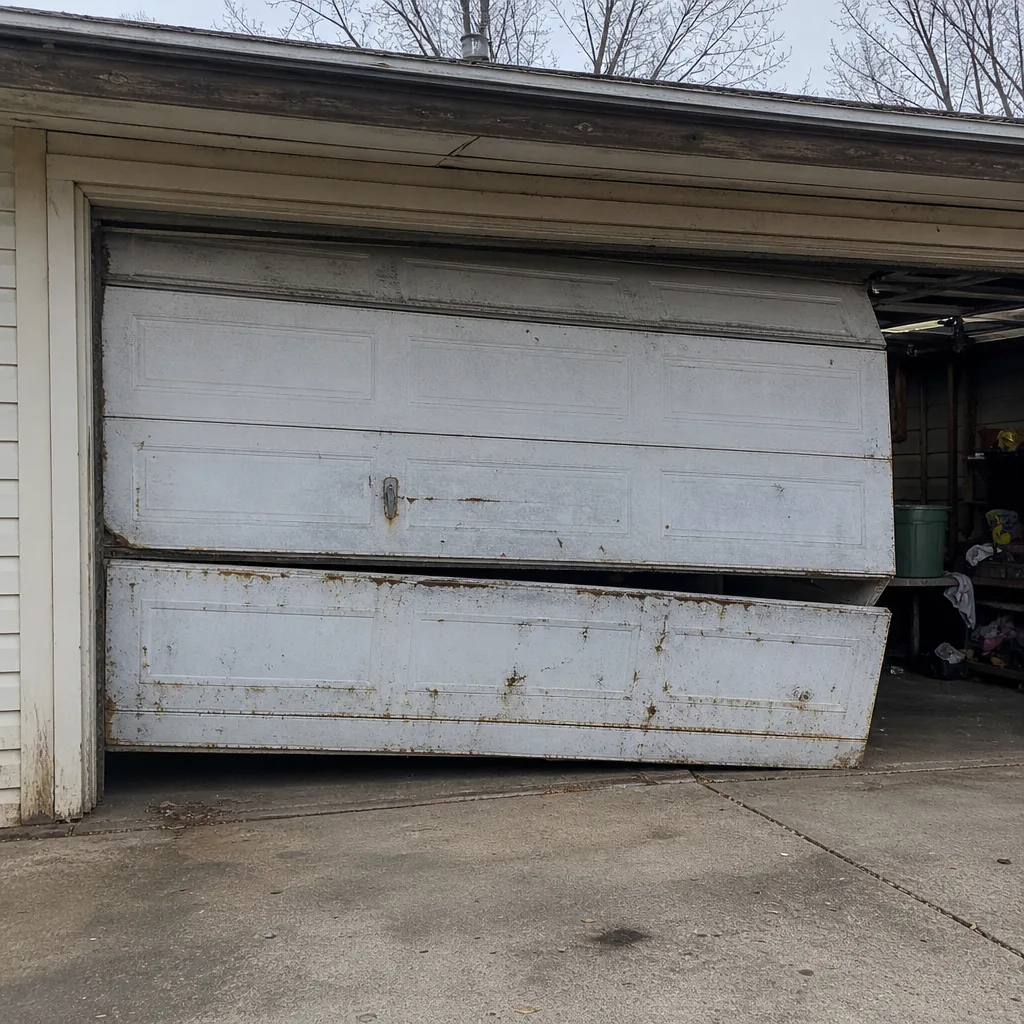 Before
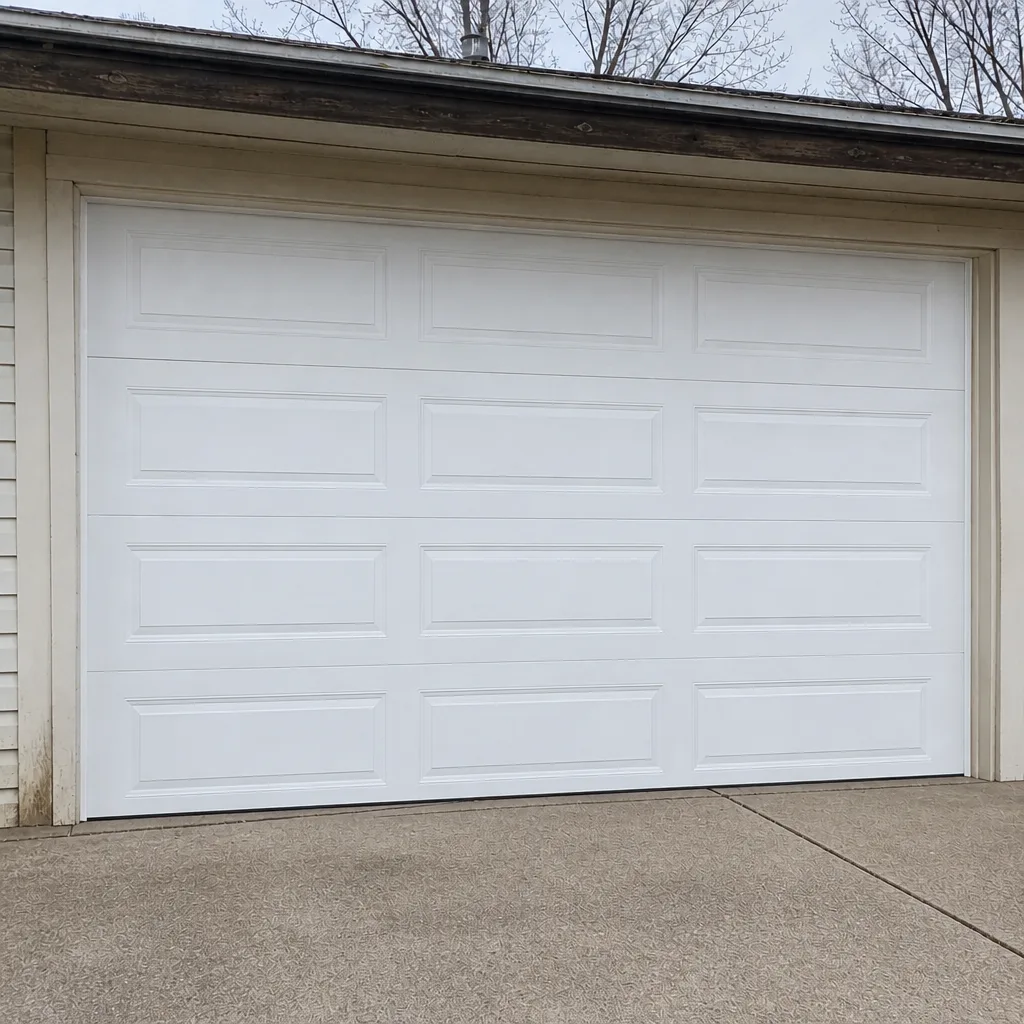 After
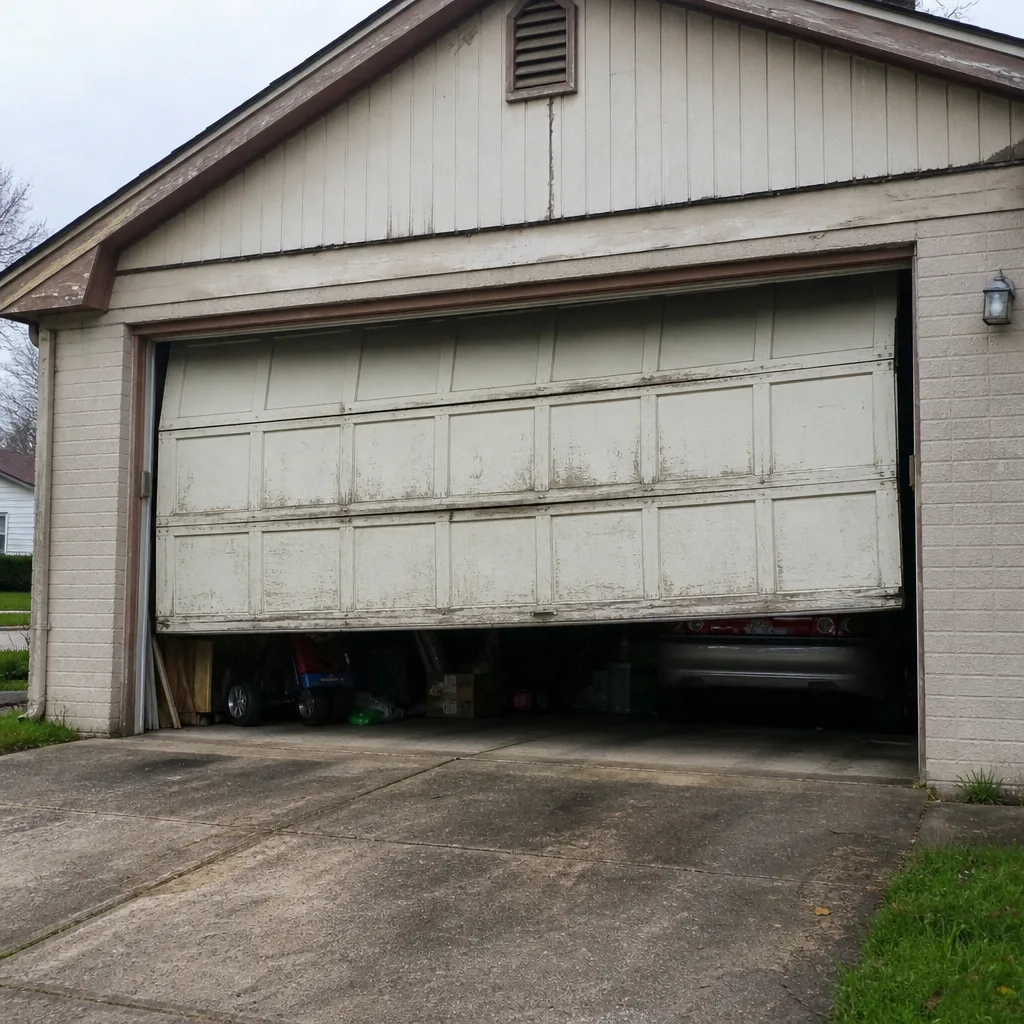 Before
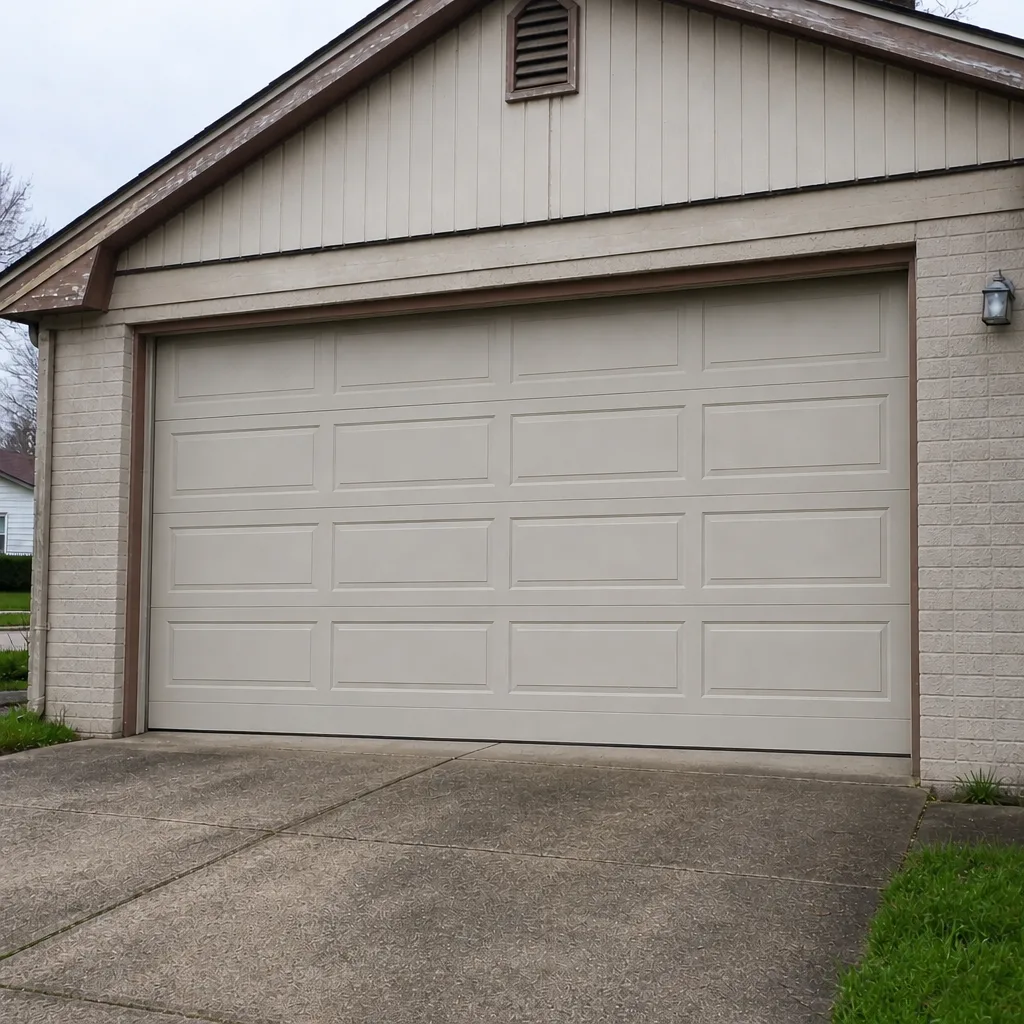 After
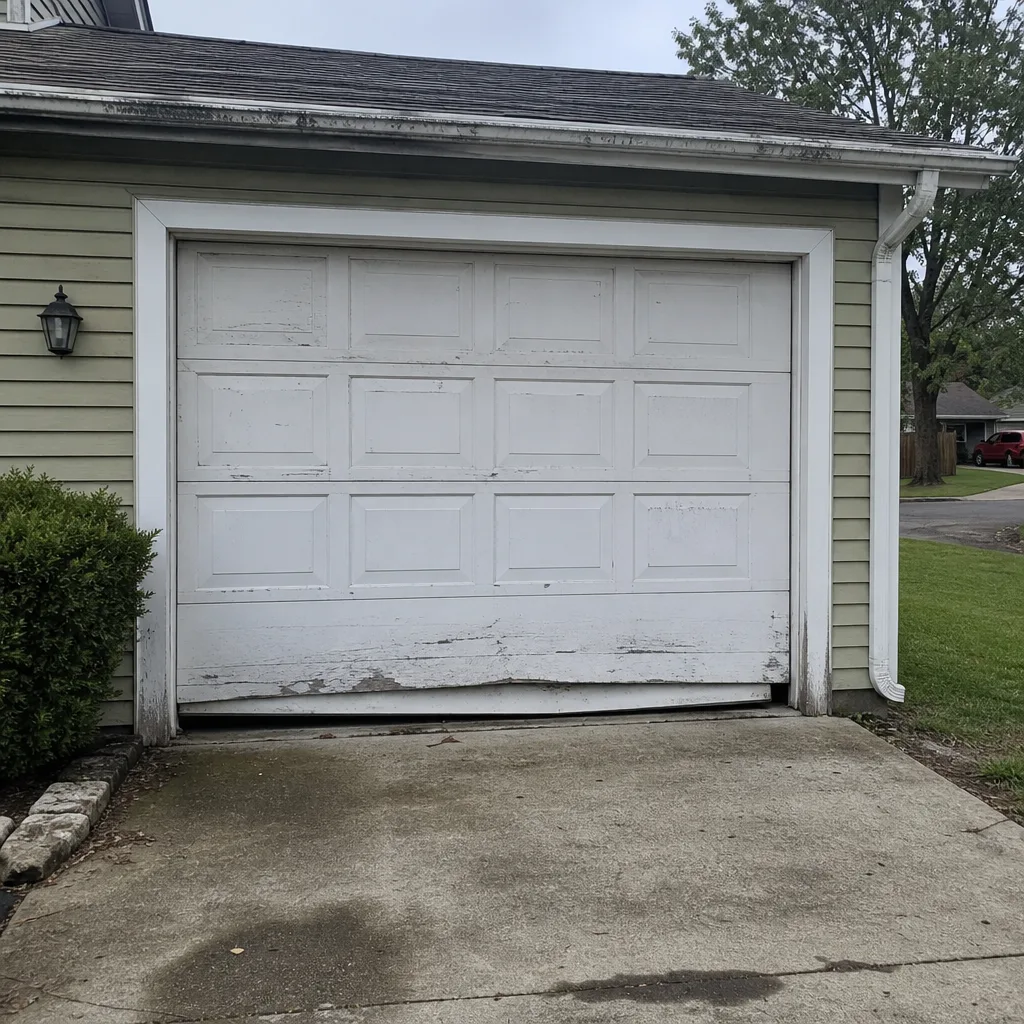 Before
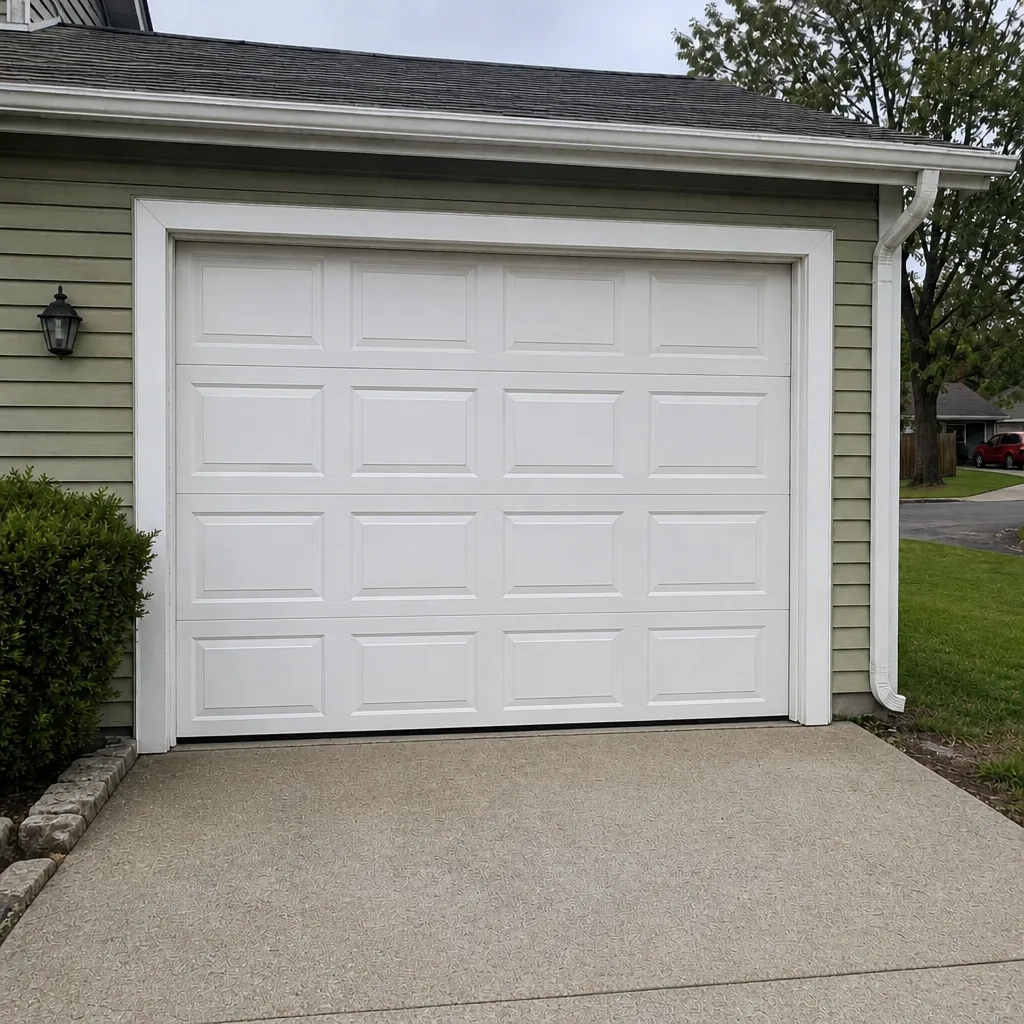 After
When to Call a Professional
Call a professional the moment the checklist turns up a broken spring, a frayed cable, a door that’s off its tracks, or an opener that won’t reverse on command. Those aren’t repair projects for a homeowner, and they’re the failures most likely to cause injury or property damage. If you’re not sure, call and describe the symptom. We can usually tell you whether it’s something you can handle or whether it needs a visit. The right parts for your system, not a workaround, is how we handle every repair, from a single roller to a full opener replacement.
Garage Door Repair Huber Heights offers free estimates in Huber Heights. Call (877) 492-2032. We answer 24/7. Fast dispatch from 7am to 7pm, Sunday through Friday. Every price is quoted and agreed before any work starts, so there’s no surprise when the bill arrives.
Frequently Asked Questions
Once every six months is the right schedule for most Huber Heights homes, with a second application before the first hard freeze if you want to protect springs through the cold months. Use white lithium grease or a silicone-based lubricant on hinges, rollers, and the torsion spring, and wipe the tracks clean with a dry cloth. Never use WD-40 as a lubricant. If your door is noisy after lubricating, it’s probably telling you a part is worn, and a service call is the right next step.
No. Torsion springs carry lethal tension and are the single most dangerous part of a garage door system. A spring releasing unexpectedly can cause serious injury, and there is no safe way to do it without the right tools and training. Tape the gap, stop using the door, and call a professional. Our garage door spring repair team handles springs as a dedicated service, so the person working on your door has done dozens of them, not zero.
A tune-up is priced per job by the written estimate, and the estimate is free. A technician will check the springs, cables, rollers, hinges, opener settings, and safety reverse, then tell you exactly what needs doing and at what price before any work starts. We don’t quote ranges over the phone for a job we haven’t seen. Call (877) 492-2032 for a free estimate.
A slightly stiffer door in January is normal, because metal and lubricant both thicken in the cold. A door that’s genuinely heavy, or that won’t open all the way, is a sign of a weakening spring or a balance problem. Don’t force the opener against it. Warm the garage, test the balance by hand with the opener released, and if there’s any ambiguity, call for a check before the door fails completely.
Weakened or broken torsion springs are the most common problem we see here, usually because a spring was never lubricated and went through too many cold-weather cycles. Roller wear is second, since many homes here still have the original steel rollers from their construction year. Both show up as noise, uneven movement, or a door that opens partway and stops. A quick inspection catches both well before they become emergencies.
No, a normal service visit won’t void your warranty. What voids a warranty is homeowner work inside the opener housing, or a repair done with incorrect parts. That’s why we recommend limiting DIY to lubrication and testing, and leaving opener internals to a trained technician. If your opener has a manufacturer warranty you’re trying to preserve, tell the technician when you call, and they’ll work with you on what’s covered. For a full checkup, our garage door repair team can walk you through the options.
The Bottom Line
The value of this checklist isn’t in the tasks, it’s in knowing what to do and when. Lubricate the spring and hinges twice a year, test the auto-reverse and balance once a month, and leave springs and cables to a trained technician. Every item on the list is there because it catches a failure before it becomes an emergency, and the ones marked “leave to a professional” are the ones that matter most. If your door is noisy, slow, or stuck, don’t wait for the next scheduled check. Call (877) 492-2032 for a free estimate. We work on the brand in your garage, and we can help you get ahead of the problem.
Written by the team at Garage Door Repair Huber Heights.